Diario Oficial de Galicia · 22 Sep 2026 · 8 vistas
The Romaxe da Ermida de Quiroga is declared a property of cultural interest
Por FactBox Admin
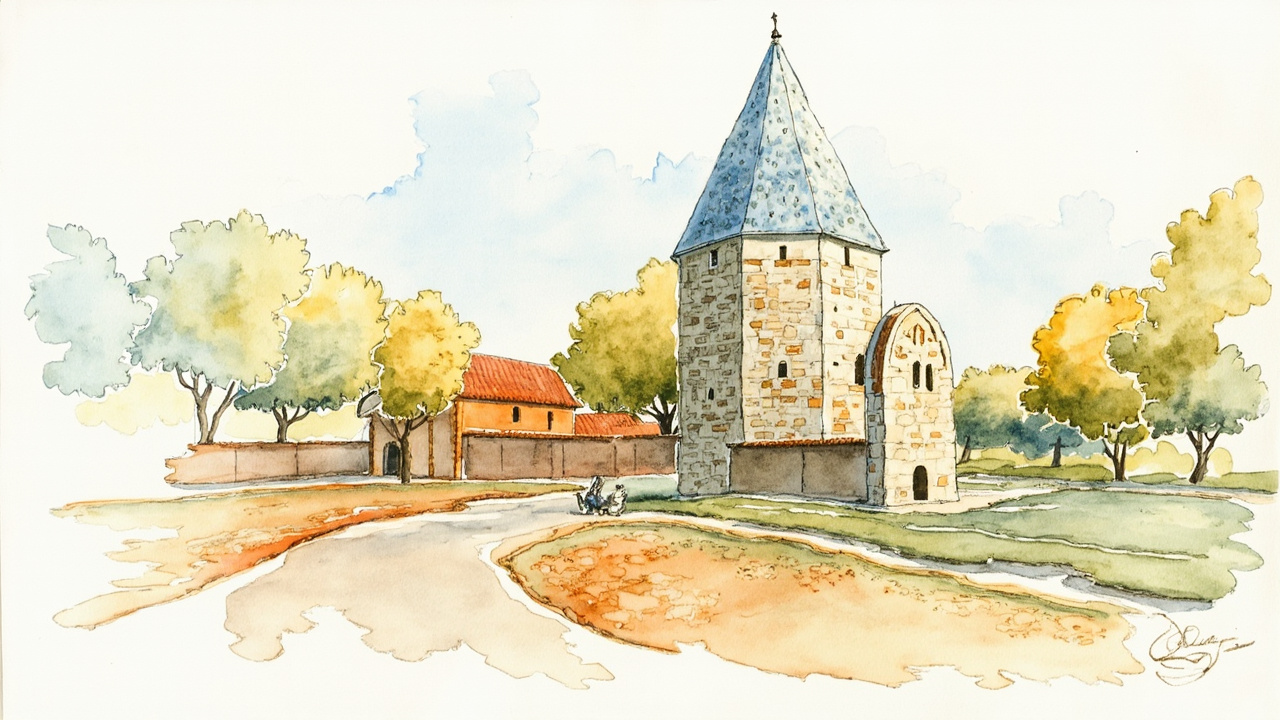
The Council of the Xunta de Galicia has declared the Romaxe da Nosa Señora dos Remedios na Ermida, in the municipality of Quiroga, as an asset of cultural interest of intangible heritage, through Decree 93/2026, of September 7. The decision, adopted by proposal of the counselor of Culture, Language and Youth, is published in the Official Gazette of Galicia (DOG) number 180, of September 22, 2026, with the official reference CVE-DOG: npaj2qi2-4s95-hrc3-cfh8-exq04usjnet4. The regulation recognizes the outstanding cultural value of a Marian feast celebrated every year on September 8 and 9, which maintains unique figures such as the Meco and the Pampórnigas.
The declaration was processed under Law 5/2016, of May 4, on the cultural heritage of Galicia (LPCG) and Decree 430/1991, of December 30, which regulates the processing of declarations of assets of cultural interest. The procedure was initiated with the Resolution of October 8, 2024, from the General Directorate of Cultural Heritage, published in DOG number 203, of October 21, 2024. According to article 18.2 of the LPCG, the file contains two favorable and reasoned reports from specialized advisory institutions, and during the public exhibition period, open for one month, no objections were presented.
The decree was signed by the counselor of Culture, Language and Youth, José Carlos López Campos, and, acting as president by substitution (article 26.7 of Law 1/1983, of February 22), the counselor of Presidency, Justice and Sports, Diego Calvo Pouso, following the deliberation of the Council of the Xunta at its meeting on September 7, 2026. The manifestation is cataloged as social use, ritual, ceremony and festive act, with ethnological interest.
A celebration with Meco, Pampórnigas and amortalladas
The pilgrimage is celebrated in the village of Ermida, in the parish of Santa María da Ermida, in the municipality of Quiroga. The feast is preceded by a novena from August 30 to September 7; on the 8th, four masses are celebrated and on the 9th, three. The procession departs before the solemn mass at 1:00 PM and features two figures that are not repeated in any other Galician pilgrimage.
- The Meco opens the cortege carrying Castilian wedges in the left hand and a gorse staff in the right, which he uses to push people aside to let the procession pass; he wears a wooden mask with demonic features and a red hat.
- The Pampórnigas are two giants symbolizing a man and a woman who dance a traditional local piece; they have wooden heads and aluminum frames.
- Following them are the bagpipers, who play a piece recovered by the bagpiper Colomán, the parish banners, the image of the Virgin carried by four devotees, and finally, the priests and the rest of the faithful.
- Many people travel to the sanctuary barefoot or on their knees, and there are devotees who come dressed in white shrouds in gratitude for the healing of a serious illness or the solution to a family problem.
Centuries of devotion and a 4th-century chrismon
The origin of the devotion is popularly remembered through two legends recorded by the ethnographer Xosé Manuel Blanco Prado: that of the image appearing on the bank of a stream, which kept returning to the place of appearance, and that of the French pilgrim who hid a Marian image in the Sanjuanist hospital of the Encomienda de Quiroga. The book of the Confraría da Nosa Señora da Ermida from 1622 already describes the celebration on September 8th and 9th and mentions the Meco and the Pampórnigas.
The current sanctuary has a main nave and presbytery from the 17th century, and a side nave built in 1733. In the altarpiece of the main altar is Nosa Señora da Ermida, a 16th-century carving, and inside, four paintings from 1882 representing miraculous events from the 18th century are preserved. Next to the temple, the Crismón de Quiroga appeared, a circular marble disc from the 4th or 5th century studied by Jaime Delgado Gómez.
The celebration resisted historical prohibitions, such as that of July 21, 1780, by monarch Carlos III, which banned giants, big-heads, and clarions in ecclesiastical celebrations. Currently, it gathers faithful from surrounding municipalities: Bóveda, O Courel, O Incio, Monforte de Lemos, A Pobra do Brollón, and Ribas de Sil.
Registration, safeguarding, and effects of the norm
- Annotation of the declaration in the Registry of Assets of Cultural Interest of Galicia and communication to the General Inventory of Intangible Cultural Heritage of the general State Administration.
- Publication of the decree in the DOG and in the Official State Gazette.
- Notification to the City Council of Quiroga, the Diocese of Lugo, and the interested parties.
- Safeguarding measures of Annex II: identification, documentation, registration, research, preservation, protection, promotion, valorization, transmission, and revitalization.
- Effective from the day following its publication in the DOG.
- Against this act, which exhausts the administrative route, an appeal for reversal may be filed within one month or a contentious-administrative appeal within two months before the Contentious-Administrative Chamber of the High Court of Justice of Galicia.
The declaration shields a living manifestation that the residents of the Ermida transmit from generation to generation and which is now inscribed in the regional registry, with protection that directly affects the region of Quiroga and its cultural and tourist appeal.
Source: Official Gazette of Galicia, no. 180, September 22, 2026, section III. Other provisions, pp. 49843-49853 (official reference: CVE-DOG: npaj2qi2-4s95-hrc3-cfh8-exq04usjnet4).