Diario Oficial El Peruano · 03 Oct 2026 · 27 vistas
Regulation restricts cell phones in public and private schools across the country
Por FactBox Admin
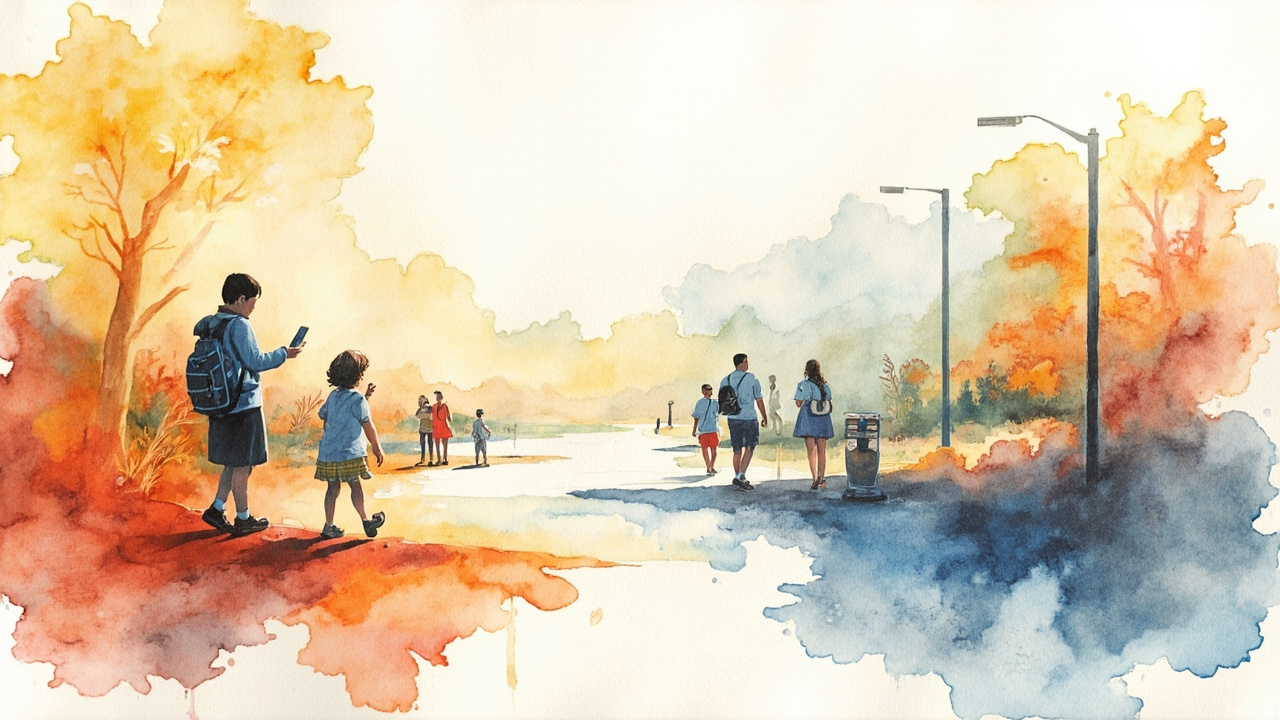
The Ministry of Education approved the regulation of Law No. 32385, which restricts the use of cell phones and similar electronic devices in all Basic Education institutions and programs, both public and private, across the country. The measure was officialized with Supreme Decree No. 018-2026-MINEDU, published in the Official Gazette El Peruano on Saturday, October 3, 2026, and affects millions of students, teachers, and families upon its entry into force.
The decree was signed at the Government House in Lima on October 2, 2026, by President Keiko Sofía Fujimori Higuchi, and endorsed by the Minister of Education, José Antonio Chang Escobedo, and the Minister of Health, Luis Williams Dyer Fernández. The regulation develops Law No. 32385, whose Third Final Complementary Provision tasked the Executive Branch, through the ministries of Education and Health, with approving its regulation.
The approved text consists of eight chapters, sixteen articles, three final complementary provisions, and one transitory complementary provision. As a precedent, Ministerial Resolution No. 052-2026-MINEDU ordered the publication of the draft and its statement of motives, which received comments from public and private entities as well as citizens; on August 12, 2026, the Multisectoral Commission for Regulatory Quality declared the Ex Ante Regulatory Impact Analysis inadmissible.
National Scope and Mandatory Restriction
The scope of application is national and of general compliance for public and private educational institutions, as well as for Basic Education programs at the primary and secondary levels or their equivalents. It also includes modalities such as Alternative Basic Education and Special Basic Education.
According to Article 4, institutions restrict the use of these devices during the development of educational activities, even when they take place outside of class hours or their facilities. If resources are available, they may enable a space for the custody of the equipment, the maximum term of which must not exceed the school day.
Article 5 specifies that the restriction is of mandatory compliance for students and that parents or guardians contribute to its observance. Institutions must place a notice in a visible location at the entrance indicating that use is restricted unless expressly authorized for pedagogical purposes or regulated special situations, also in the indigenous or native language of the beneficiary population.
Exceptions and Special Situations
Article 6 contemplates four situations in which the use of devices is permitted:
- Teaching and learning process, with authorization from the director or the teacher, including the Hospital Educational Service.
- Temporary or permanent educational barriers, with written authorization from the director.
- Health problem, condition, or disability, accredited by a document from a health professional or a disability certificate.
- Emergency situation linked to the life, integrity, health, or security of students or other people.
Article 7 states that pedagogical use must be planned within the framework of the National Curriculum’s transversal competence on virtual environments generated by ICT, and that teachers prioritize its use for the teaching process, discouraging personal use outside of class hours.
Monitoring, corrective measures, and campaigns
Article 11 establishes that institutions monitor compliance with respect for the dignity and privacy of students, without discriminatory treatment, and that such monitoring does not involve reviewing the content of the phones. Article 14 entrusts the Local Educational Management Unit with monitoring and supervision within its jurisdiction, and Article 15 assigns the Regional Directorate of Education the follow-up of the UGELs and the promotion of alliances with the National Police of Peru, the Judiciary, the Ministry of Health, the Ministry of Women and Vulnerable Populations, the DEMUNA, local governments, parents’ associations, and universities.
Article 12 provides that corrective measures be included in the internal regulations and be clear, timely, proportional, restorative, formative, equitable, and impartial, with criteria of reasonableness, proportionality, and gradualness. Article 16 orders the Ministry of Education, in coordination with the Ministry of Health, to carry out campaigns promoting safe and responsible use aimed at directors, teachers, students, parents, and the educational community, with cultural and linguistic relevance.
The sole complementary transitory provision obliges public and private educational institutions to incorporate these provisions in the first annual update of their internal regulations or management document following the entry into force of the regulation.
The regulation changes the rules of coexistence in classrooms across the country and transfers to the schools the responsibility of adapting their internal norms, safeguarding equipment, and applying corrective measures. For families, it implies a new framework of exceptions for health, disability, and emergency, while the Ministry of Education and the Ministry of Health are in charge of responsible use campaigns and combating cyberbullying.
Source: El Peruano, Year XLIII - No. 19556, Saturday, October 3, 2026, Legal Norms section, p. 12 (official reference: 2561501-1).