Boletín Oficial de la Ciudad Autónoma de Melilla · 25 Sep 2026 · 10 vistas
Melilla definitively approves the Civil Protection and Emergencies Regulation
Por FactBox Admin
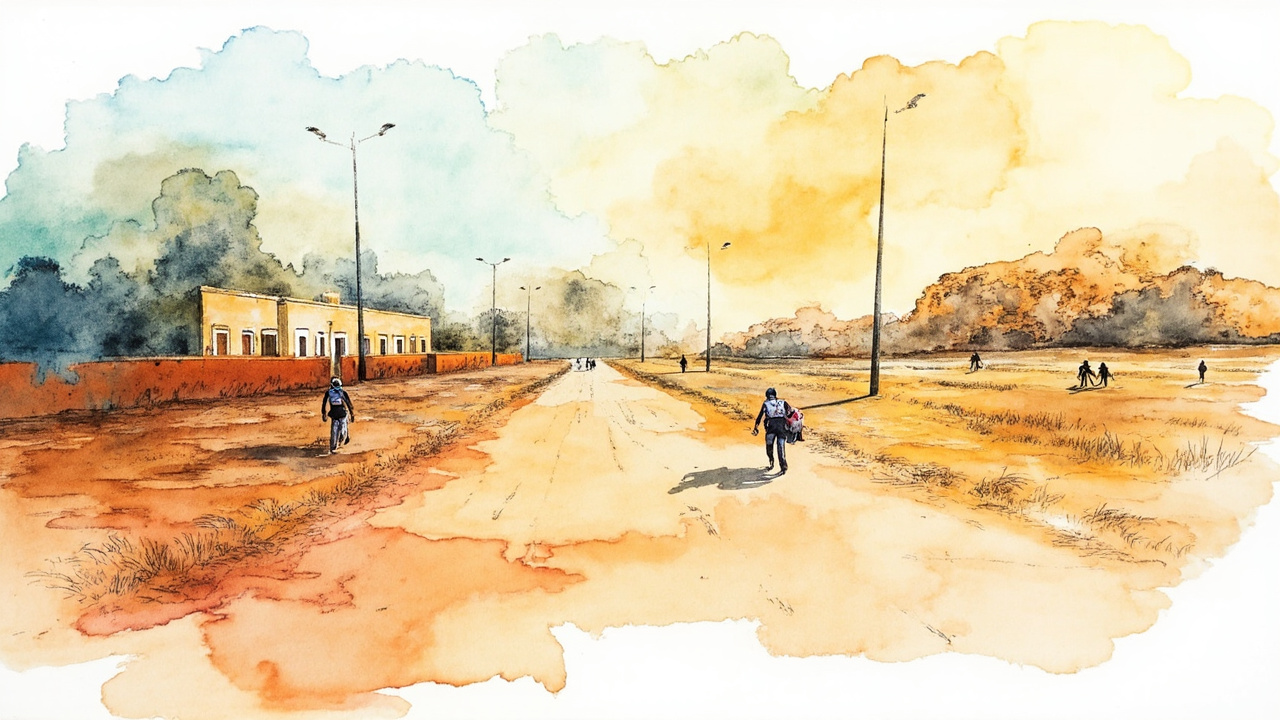
The Assembly of Melilla has definitively approved the Regulation on Coordination Measures for Civil Protection and Emergencies within the scope of the Autonomous City of Melilla, which repeals the decree in force since 1996 and will enter into force the day following its full publication. The agreement was formalized through Decree No. 376, of September 22, 2026, and is published in the Official Gazette of Melilla (BOME) No. 6417, of September 25, 2026, with the official reference BOME-A-2026-1072.
The text culminates a procedure initiated on June 3, 2026, when the Assembly initially approved the project in an ordinary session. The document was open for claims for one month through its publication in BOME No. 6387, of June 12, 2026, a period during which the General Secretariat for Civil Protection and Emergencies of the Ministry of the Interior submitted a written statement of allegations with modifications to various precepts and new articles regarding jurisdictional safeguards.
The Permanent Commission on Social Policies, Public Health, and Citizen Security, in an extraordinary session on July 28, 2026, approved the proposal with 9 votes in favor (6 from the PP, 2 from CpM, and 1 non-attached deputy) and 2 abstentions from the PSOE and the Mixed Group. The Plenary of the Assembly, in an ordinary resolution session on September 3, 2026, ratified the definitive approval with 21 votes in favor (13 from the PP, 5 from CpM, 1 from the PSOE, and 2 from the Mixed Group), an absolute majority in accordance with Article 58.3 of the Assembly Regulations. The processed file is 38588/2024 and the decree bears the signature of the technical secretary of Citizen Security, María del Carme Baranquero Aguilar.
A framework regulation replacing the 1996 decree
The new Regulation repeals the Decree on coordination measures for civil protection within the scope of the Autonomous City of Melilla, approved by agreement of the Governing Council on September 13, 1996, and published in BOME No. 3490, of September 20, 1996. The City justifies the drafting of a new framework regulation with the rank of regulation after more than 25 years in force and in view of the changes in the administrative organization of the Government of the CAM.
The stated objective is to align local regulations with state regulations: Law 17/2015, of July 9, on the National Civil Protection System, the State General Civil Protection Emergency Plan (PLEGEM), and Royal Decree 524/2023, of June 20, which approves the Basic Civil Protection Standard. The text is structured into eight titles and 30 articles, with three additional provisions, one repealing provision, and one final provision.
Coordination bodies
The Regulation creates and organizes the preventive and operational coordination bodies:
- The Civil Protection and Emergencies Council of the Autonomous City of Melilla, which operates as a Plenary and a Permanent Commission; the Plenary meets at least once a year and the Permanent Commission at least once per quarter.
- The Civil Protection and Emergencies Operational Coordination Committee, an advisory body to the Plan director, which acts as the advisory committee for PLATERME when it is activated.
- The Operational Coordination Center (CECOP), which may function as an Integrated Operational Coordination Center (CECOPI).
- The Special Civil Protection and Emergencies Commissions, whose reports will be technical and non-binding in nature.
The Council Plenary includes three members appointed by the Government Delegation in Melilla; the Permanent Commission includes two. In the Operational Committee, representatives of the General State Administration may be convened with a voice but without a vote.
Volunteering and new Civil Protection Service
Article 30 regulates volunteering, which is organized through the CAM Civil Protection Volunteer Group, dependent on the competent Department, and provides for a registry for other groups, whose participation in emergencies will require authorization and coordination from the City authorities.
The second additional provision promotes the creation of a Civil Protection and Emergencies Service of the Autonomous City, reporting directly to the General Directorate of Citizen Security, under which the 112 Service and the Volunteer Group will organically depend. This service will be the point of contact with the National Civil Protection Information Network.
State allegation partially upheld
The resolution partially upholds the allegations of the Ministry of the Interior for reasons of regulatory technique, terminological precision, and legal certainty, and dismisses the rest. In particular, it rejects the requested decision-making participation for the Operational Coordination Committee and maintains that state representation shall attend with a voice but without a vote.
The text specifies that the request for military capabilities, including the Military Emergencies Unit, in real emergencies will be channeled through the Government Delegation in Melilla, and that functional integration into the CECOPI will not imply that the City assumes operational management functions reserved for the State in emergencies of national interest.
The Regulation enters into force on September 26, 2026, one day after its publication, and replaces the coordination framework in place for nearly three decades. The regulation directly affects emergency services, volunteering, and the channels of cooperation with the General State Administration in a territory that is unique due to its border status.
Source: Official Gazette of Melilla (BOME), no. 6417, of September 25, 2026, section I (Department of Public Security), page 4835 (official reference: BOME-A-2026-1072).