BOE · 04 Sep 2026 · 8 vistas
The Government declares historical irrigation systems intangible cultural heritage
Por FactBox Admin
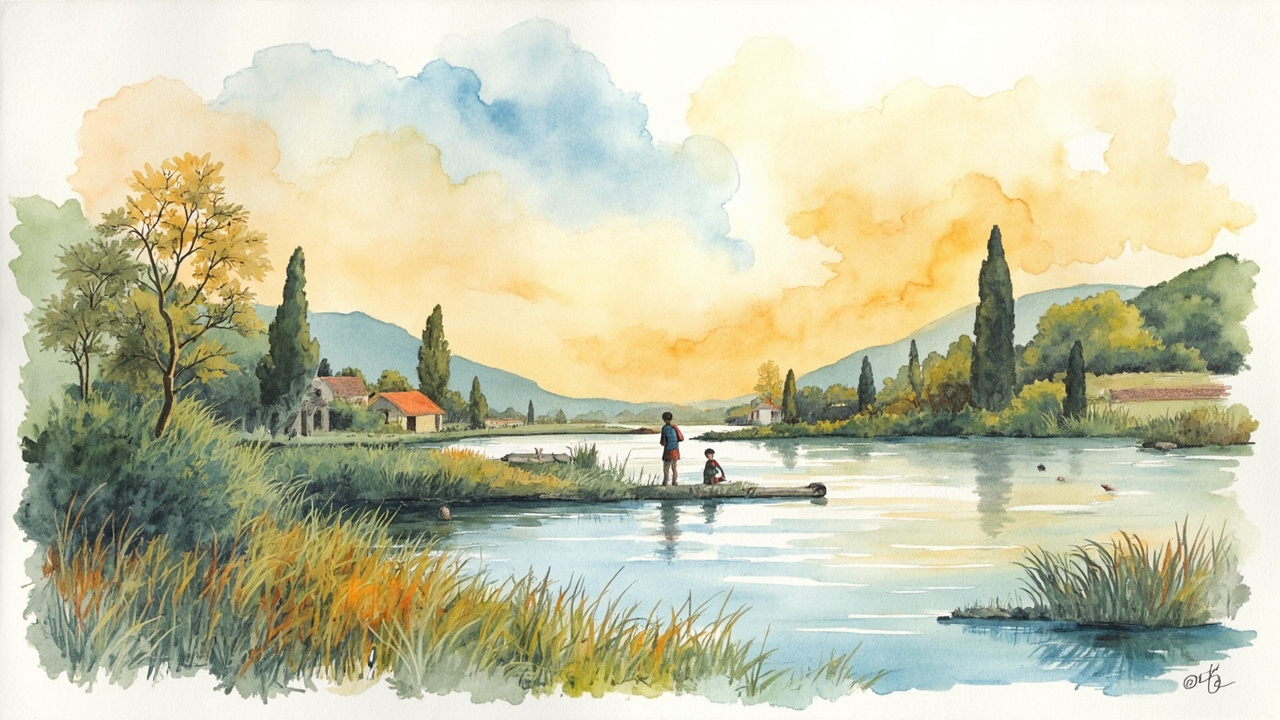
The Council of Ministers, in its meeting on September 1, 2026, has approved Royal Decree 720/2026, of September 2, by which historical and traditional irrigation systems are declared a Representative Manifestation of Intangible Cultural Heritage. The regulation, signed by the Minister of Culture, Ernest Urtasun Domènech, is published in the Official State Gazette number 219, of September 4, 2026, and shall take effect from its publication.
The declaration is based on Law 10/2015, of May 26, for the safeguarding of Intangible Cultural Heritage, which grants the General State Administration, through the Ministry of Culture, the competence to declare these manifestations in collaboration with the autonomous communities. The proceedings were initiated by Resolution of September 4, 2025, from the Directorate General of Cultural Heritage and Fine Arts, published in the BOE on September 13, and included reports from the Council of Historical Heritage and the University of Almería, as well as the mandatory hearing process.
What exactly is protected
The object of the declaration is the safeguarding of the set of skills, knowledge, techniques, practices, forms of social organization, customary norms, and transmission mechanisms historically linked to the traditional use, exploitation, and management of water for irrigation. The regulation emphasizes that the diversity of solutions developed in the different territories of Spain, adapted to their own geographical, hydrographic, and climatic conditions, constitutes one of the main cultural values of the manifestation.
The declaration is limited exclusively to intangible heritage. In no case does it protect hydraulic infrastructures, associated works or installations, nor does it affect the regime of the public hydraulic domain, hydrological planning, user rights, or the concession regime, which will continue to be governed by sectoral regulations on water, environment, and agriculture.
International precedent
The recognition is supported by the 2023 inscription of “Traditional irrigation: knowledge, technique and organization” on UNESCO’s Representative List of the Intangible Cultural Heritage of Humanity, as a living productive practice of international relevance. The national declaration thus reinforces a recognition already granted by the international body.
A threatened heritage
The regulation warns that these systems are gravely threatened in their morphology, functionality, and intangible heritage. Among the identified risks are:
- The economic crisis of traditional agriculture.
- Urban pressure and the intensification and technification of farming.
- Rural depopulation and the loss of traditional ecological knowledge.
- The loss of forms of collective management due to land grabbing.
- Water management in a context of water scarcity and climate change.
Safeguarding is aimed at favoring the identification, documentation, research, transmission, promotion, and revitalization of the manifestation, in accordance with the Convention for the Safeguarding of the Intangible Cultural Heritage adopted in Paris on October 17, 2003.
The declaration represents a symbolic and legal recognition of the irrigation communities and the rural world, which see a millennia-old practice of collective water management valued. For the readers, it reinforces the protection of a living cultural legacy in a context of drought and territorial transformation, without altering water use rights or the competencies of the autonomous communities.
Source: Official State Gazette, no. 219, Friday, September 4, 2026, Sec. III, page 119387 (official reference: BOE-A-2026-18636).