Registro Oficial del Ecuador · 06 Oct 2026 · 14 vistas
El Carmen regularizes 29 de facto human settlements with new ordinance
Por FactBox Admin
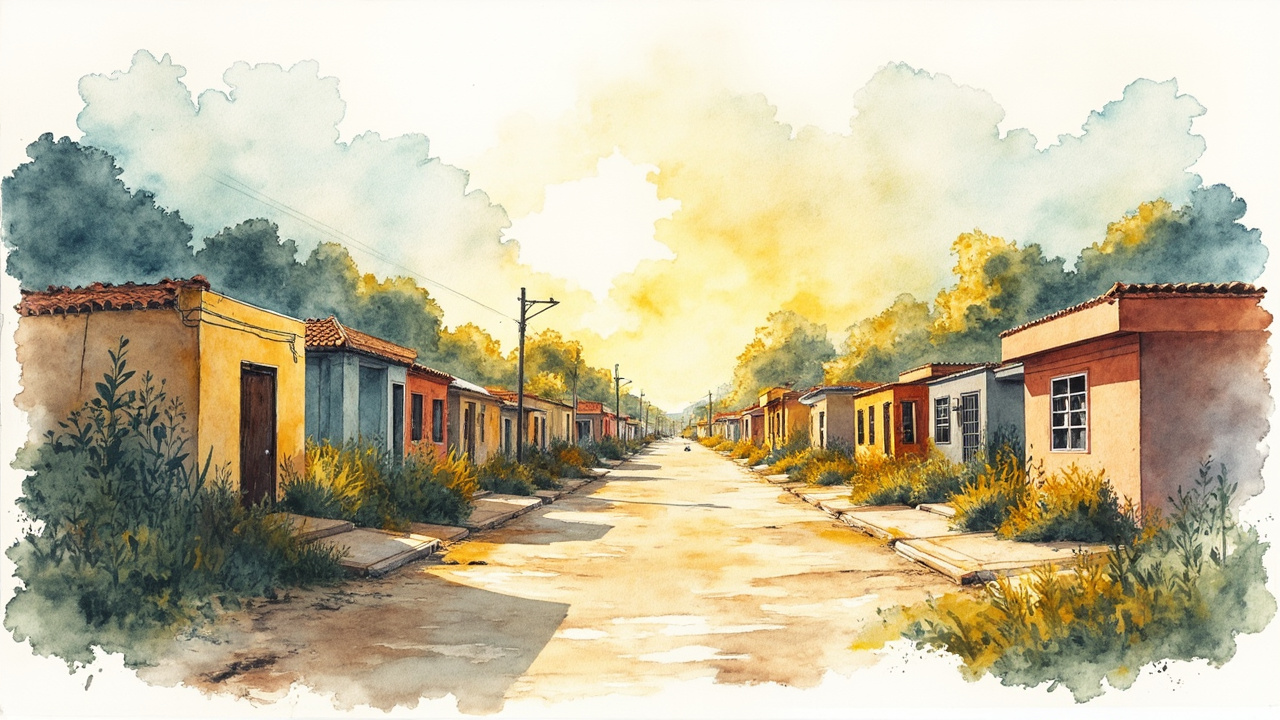
The Autonomous Decentralized Municipal Government of El Carmen enacted the General Ordinance regulating the process of information gathering, recognition, declaration, and regularization of de facto and consolidated human settlements of social interest, and unauthorized non-commercial subdivisions. The regulation was published in the Official Registry, Special Edition No. 1680, on Tuesday, October 6, 2026, and paves the way to provide legal security of tenure to families in 29 recognized settlements within the canton.
The Cantonal Council approved the text in two debates: the first in an ordinary session on September 9, 2026 (Resolution No. 03-PLE-GADMEC-09-09-2026) and the second on September 16, 2026 (Resolution No. 05-PLE-GADMEC-16-09-2026). Mayor Mayra Alejandra Cruz García enacted the ordinance on September 23, 2026, and the general secretary José Rumaldo Cevallos Sabando certified its submission.
The ordinance repeals two previous regulations: the Special Expropriation Ordinance for the regularization of Human Settlements of Social Interest (Official Registry, Special Edition No. 789, December 1, 2016) and the General Special Expropriation Ordinance for the regularization of De Facto and Consolidated Human Settlements (Special Edition No. 688, December 29, 2022).
29 settlements and an outdated cadastre
According to Report No. GADMEC-2026-DROPT-0034-I, from the Directorate of Regulation, Ordering, and Territorial Planning, submitted to the Ministry of Infrastructure and Transport, there are approximately 29 recognized human settlements in the canton that require specific regulations. The Land Use and Management Plan, in section 12.13, records 29 concentrated human settlements.
The statement of motives indicates that informal land occupation left hundreds of families in a situation of vulnerability and legal insecurity regarding their assets, and hindered the updating of the cantonal cadastre, land use planning, and the equitable distribution of urban burdens.
Two paths for regularization and validation of subdivisions
- Administrative partition, pursuant to article 486 of the COOTAD, for undivided properties used as social interest housing.
- Special expropriation, pursuant to article 596 of the COOTAD, for settlements in urban or urban expansion land.
- Validation of unauthorized non-commercial subdivisions, provided for in article 476 of the COOTAD, with a graduated fine according to the municipal socioeconomic table.
Requirements, deadlines, and guarantees
- 60 days for the Directorate of Regulation, Ordering, and Territorial Planning to prepare the inventory and zoning of the settlements.
- 30 days for the Appraisals and Cadastre Department and the Property Registry to issue the cadastral keys and register the adjudications.
- 30 days for data verification and 15 days for the final technical report, following 3 days of citizen observations.
- 90 days for the National Agrarian Authority to authorize the change in land classification from rural to urban expansion.
- 10-year prohibition on selling or mortgaging the adjudicated lots, which are established as family heritage.
- Up to 5 years for the payment of the fair price through credit notes.
Beneficiaries must present a sworn declaration of possession, a certificate stating they do not own other properties in the canton, and prove public and peaceful occupation of the plot.
Exclusions and control
Settlements located in natural heritage conservation areas, non-mitigatable risk zones, and green or communal areas with current use are excluded from the process. The ordinance prohibits the mayor, council members, and municipal officials involved in the process from acquiring ownership of the plots, and orders that evidence of speculative land practices be referred to the Prosecutor’s Office.
The regulation transforms regularization into a unified procedure for the departments of Planning, Territorial Regulation, Appraisals and Cadastre, the Syndic’s Office, and Public Works, and links titling with the progressive provision of basic services. For the families of the 29 settlements, the immediate effect is the possibility of obtaining individual deeds and, through them, formal access to credit, public services, and state housing programs.
Source: Official Registry, Special Edition No. 1680, Tuesday, October 6, 2026, section I, 49 pages (official reference: ecuador-2026-10-06-esp-1680-4019ac95).