BOP de Cáceres · 16 Sep 2026 · 7 vistas
Botija definitively approves its animal ownership ordinance
Por FactBox Admin
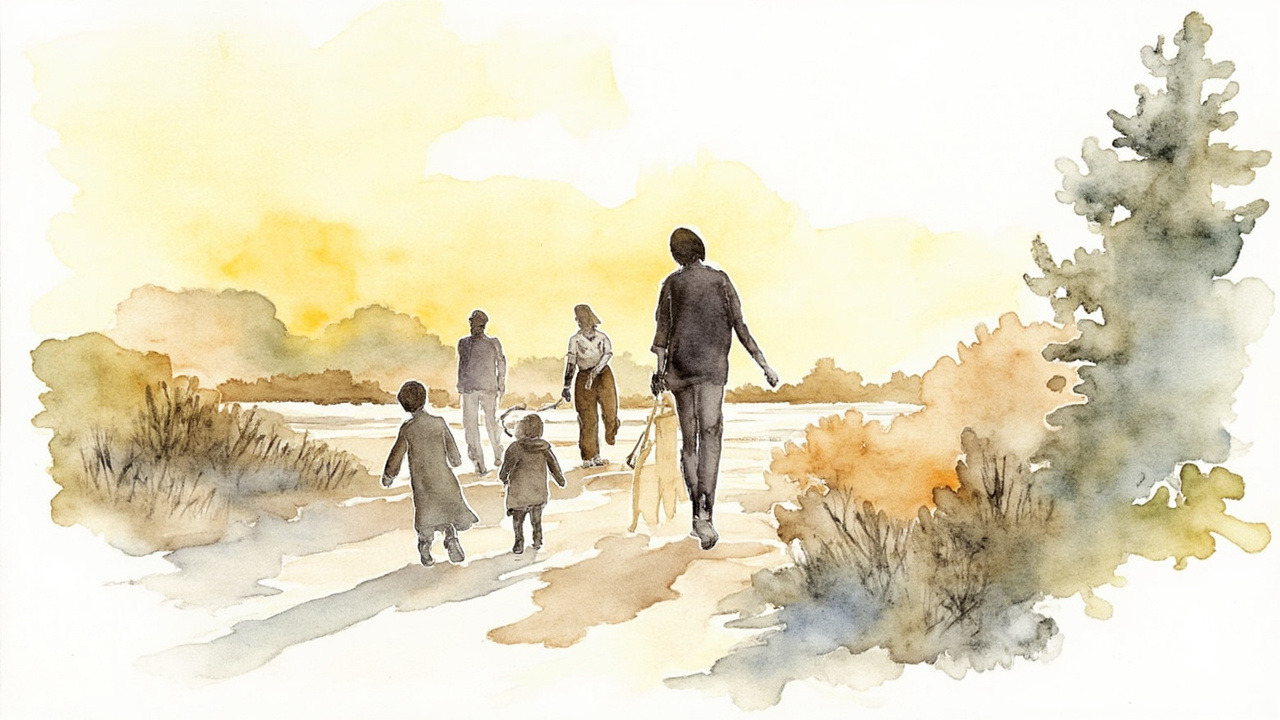
The Botija City Council has definitively approved the Regulatory Ordinance for the ownership and circulation of animals in the municipality of Botija, according to the edict signed by Mayor Juan Rentero de la Morena and published in the Official Gazette of the Province of Cáceres number 0177, dated September 16, 2026 (reference BOP-2026-4316, pages 21350-21355). The regulation comes into force upon publication, in accordance with article 70.2 of Law 7/1985, of April 2, Regulating the Bases of the Local Regime.
The provisional agreement was adopted by the Plenary in a session held on July 14, 2026, and published in BOP number 0137, dated July 21, 2026. After the public exhibition period elapsed without any claims being filed, and in accordance with article 17 of Royal Legislative Decree 2/2004, of March 5, which approves the Recast Text of Law 39/88, of December 28, Regulating Local Treasuries, the agreement is elevated to definitive status.
Census and identification obligations
The ordinance requires owners or possessors of companion animals to register them with the City Council and to obtain a health card when the animal reaches 3 months of age, according to the regulations of the Junta de Extremadura. The passport shall be issued by the authorized veterinary center where the animal was vaccinated.
All companion animals must mandatorily and permanently carry an individual identification mark in the form of a microchip in accordance with current legislation. Furthermore, owners are obliged to keep them vaccinated, parasite-free, and provided with adequate food and care.
Circulation and cleanliness on public roads
On busy public roads, dogs must always be accompanied by a person and held by a leash or chain and collar; those whose dangerousness is reasonably foreseeable due to their nature, size, and characteristics must circulate with a muzzle. Guard dogs must remain in enclosures where they do not cause damage or nuisance, with a visible warning of their presence.
It is prohibited for animals to defecate on sidewalks, flowerbeds, green areas, dirt areas, and other elements of the public road. In the event of inevitable deposition, the handler of the animal must:
- Ensure the animal deposits on the roadway next to the curb or in tree pits devoid of grates.
- Collect and remove the excrement, cleaning the affected part of the public road.
- Deposit the excrement in waterproof, perfectly sealed bags in the containment elements indicated by the municipal services.
The City Council may demand the immediate repair of the damage caused and detain the animal to deliver it to the corresponding institutions when it is not accompanied by its owner, having an agreement with the Provincial Shelter for the collection, maintenance, or adoption of abandoned animals.
Sanctioning Regime
Infractions are classified as minor, serious, and very serious. Minor infractions include the possession of unregistered or unidentified dogs, the failure to remove excrement, and circulating without identification, a leash, or a muzzle when applicable; serious infractions include the refusal to provide information to the authorities and recidivism in minor infractions; and very serious infractions include the organization of animal fights, mistreatment, abandonment, and recidivism in serious infractions.
Financial penalties are graded as follows:
- Minor infractions: warning or a fine from 500 to 10,000 euros.
- Serious infractions: fine from 10,001 to 50,000 euros.
- Very serious infractions: fine from 50,001 to 200,000 euros.
The imposition of any sanction does not exclude civil liability or eventual compensation for damages, and the regime is applied without prejudice to the General Health Law and the applicable regional, state, or community sectoral regulations.
The new ordinance provides Botija with its own regulatory framework to regulate coexistence between neighbors and animals, establishing clear obligations for pet owners and a deterrent sanctioning regime. Its entry into force requires all neighbors with companion animals to regularize their census, identification, and cleaning habits on public roads.
Source: Official Gazette of the Province of Cáceres, no. 0177, September 16, 2026, Section I - Local Administration, pp. 21350-21355 (official reference: BOP-2026-4316).