Diario Oficial de la República de Chile · 10 Nov 2026 · 23 vistas
Bathing prohibited at Playa Maule in Saavedra due to Portuguese man o' war
Por FactBox Admin
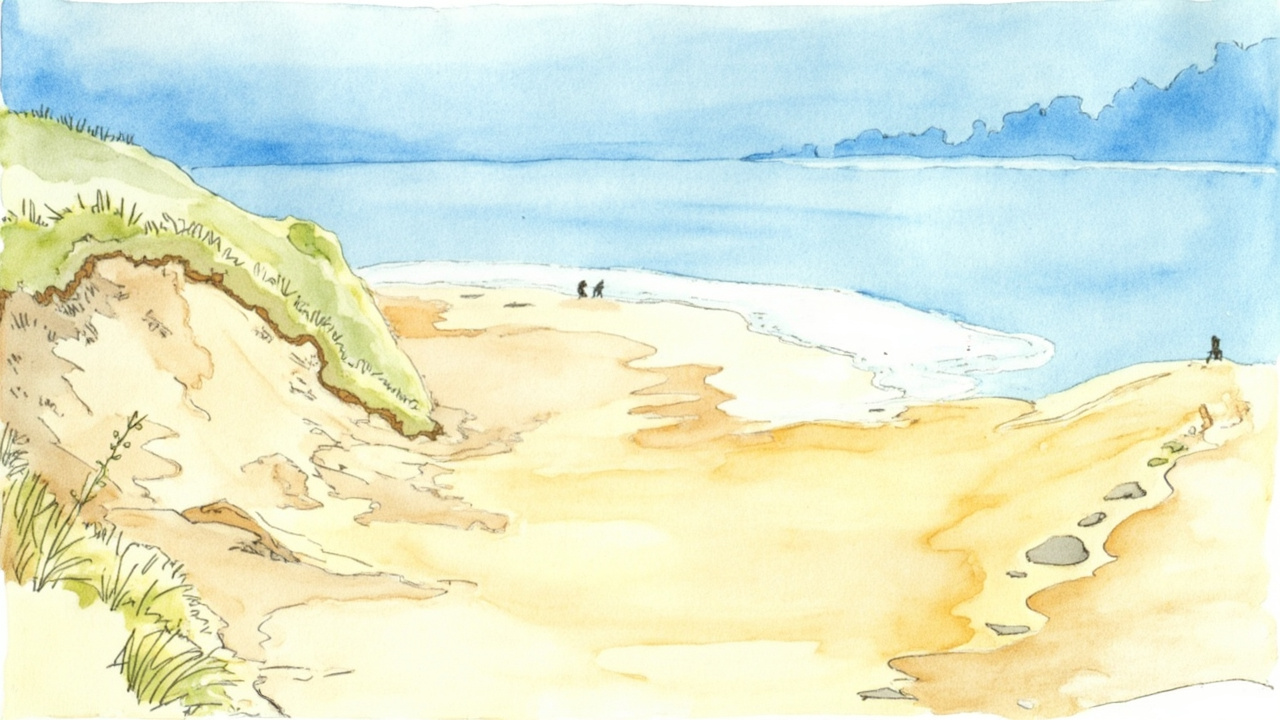
The Regional Ministerial Secretariat of Health (Seremi) of La Araucanía declared the Playa Maule sector, in the commune of Saavedra, a sanitary risk zone and prohibited swimming and recreational activities in the maritime and terrestrial areas of that resort. The decision is contained in exempt resolution CP 25.706, signed in Temuco on October 28, 2026, and published in the Official Gazette of the Republic of Chile —Section I, General Norms— on Tuesday, November 10, 2026, under official reference CVE 2898398.
Thirty specimens detected on the Araucanía coast
The administrative act is based on the detection of 30 specimens of the hydrozoan known as the Portuguese man o’ war, whose scientific name is Physalia physalis, specifically in the Playa Maule sector of the commune of Saavedra.
The resolution invokes the Sanitary Code —particularly articles 3, 5, 9, 67, 155, 161, and 174—, DFL No. 1/2006, and supreme decree 136/05, in addition to the Organic Regulation of the Ministry of Health. Immediate background includes two communications from October 28, 2026: an email from the Port Captaincy of Carahue and another from the Acting Regional Coordinator of Emergencies and Disasters of the Seremi itself.
The document also records exempt decree No. 56, dated August 24, 2026, from the Undersecretariat of Public Health, which established a new order of substitution and designated Rodrigo Antonio Arzumendi Cifuentes as the first substitute, who signs the resolution in his capacity as Acting Regional Ministerial Secretary of Health for the La Araucanía Region (S).
A neurotoxin with clinical risk
The sixth recital of the text warns that the species secretes a neurotoxin that, upon contact with people, produces neurotoxic, cytotoxic, and cardiotoxic effects, with very intense pain, and cases of death have even been recorded. For this reason, the health authority deemed it necessary to establish a sanitary control procedure to prevent contact between the hydrozoan and the population.
The prohibition applies to:
- Swimming in the maritime and terrestrial areas of Playa Maule.
- Recreational activities within that same perimeter.
- The authorization, conversely, of extractive and productive activities, provided that personal protective equipment is used to avoid exposure and contact with the species.
The fourth numeral authorizes the installation of sanitary barriers, if necessary, to ensure compliance with the measure.
Coordination between public services
Compliance with the resolution will be carried out with the collaboration of other agencies with jurisdiction in the monitoring and reporting of the presence of Physalia physalis:
- Carahue Port Captaincy: reinforcement of maritime and land surveillance, informing the population about risks, and daily communication of findings.
- National Fisheries Service: alerting the productive sector about risks, prevention, and protection.
- Municipality of Puerto Saavedra: immediate collection and disposal of detected specimens at the authorized final disposal site, with prevention measures for those performing these tasks.
- Araucanía Sur Health Service: dissemination, in public and private health establishments, of the clinical care protocol for exposure cases.
Immediate validity and temporary nature
The resolution mandates its publication in the Official Gazette and on the Seremi website, and establishes in its seventh numeral that it will enter into force without waiting for its publication in the Official Gazette, “due to the required urgency.” The prohibitions, meanwhile, are temporary and transitory in nature: they will remain in effect as long as the presence of the hydrozoan is detected in the sector.
The measure directly affects bathers and tourism operators on the coast of Saavedra, in the midst of the travel season to the coast of La Araucanía, and conveys a concrete health warning to the citizenry: the Portuguese man o’ war is not a harmless specimen, but an organism whose toxin can cause severe conditions; therefore, the safeguarding of the area and timely information from the Carahue Port Captaincy are decisive in avoiding new cases of exposure.
Source: Official Gazette of the Republic of Chile, No. 44,595, Tuesday, November 10, 2026, Section I (General Norms), p. 1-2 (official reference: CVE 2898398).