BOP de Cuenca · 16 Sep 2026 · 6 vistas
Pozorrubielos definitively approves the ordinance regulating tourist accommodations
Por FactBox Admin
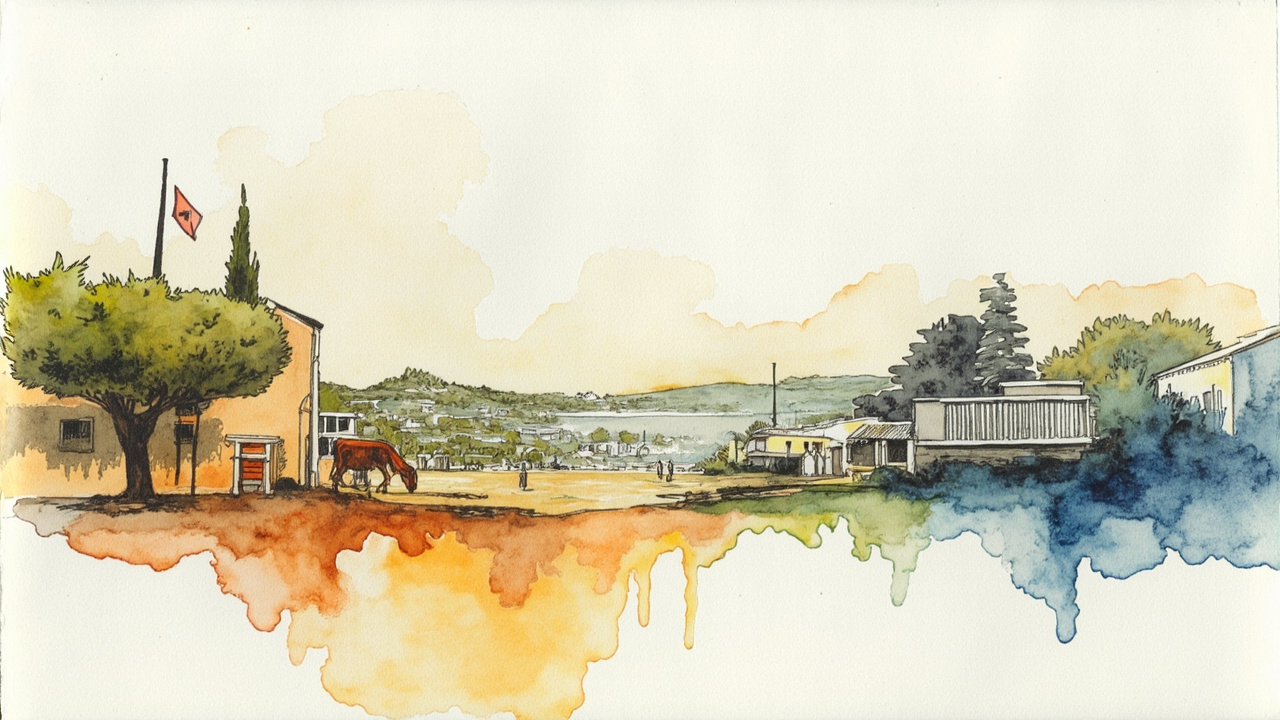
The City Council of Pozorrubielos de la Mancha (Cuenca) has made final the Municipal Ordinance Regulating Tourist Use Housing, as no claims or suggestions were submitted during the public information period. The full text is published in the Official Gazette of the Province of Cuenca no. 107, dated September 16, 2026, under announcement no. 2176 (pp. 45-48). The regulation will enter into force once published in full and after the period provided for in article 65.2 of Law 7/1985, of April 2, Regulating the Bases of the Local Regime.
The agreement is understood to be definitively adopted in accordance with article 49 of Law 7/1985 and its text is published in compliance with article 70.2 of the same regulation. The announcement is signed by the mayor, Álvaro Latorre Navarro, in Pozorrubielos de la Mancha on September 14, 2026.
The ordinance is based on Law 8/1999, of May 26, on the Organization of Tourism of Castilla-La Mancha, and on Decree 36/2018, of May 29, which regulates tourist apartments and tourist use housing in the autonomous community, as well as on urban planning regulations and the Technical Building Code. Its stated purpose is to make tourism activity compatible with the quality of life of residents and to avoid the saturation of the historic center and the loss of its residential character. The text is structured into seven chapters and twenty articles, in addition to one additional provision, one transitional provision, and one final provision.
Special protection zones and limits on implementation
The regulation declares the historic center, the main square and its immediate surroundings, streets with consolidated residential predominance, and areas of special heritage value or neighborhood sensitivity as special protection zones. In these areas, the City Council may limit the number of tourist use housings, set maximum quotas per building, street, or block, and prohibit new authorizations when there is a risk of saturation. Outside these zones, implementation shall be compatible with municipal urban planning, without prejudice to regional tourism regulations.
Coexistence, noise, and owner responsibility
- Quiet hours between 22:00 and 08:00 hours, with a prohibition on activities that generate acoustic disturbances.
- Prohibition of parties, events, or crowded activities and the use of the dwelling as intensive leisure tourism accommodation.
- Prohibition of sound equipment in patios, terraces, or common areas and machinery without adequate insulation.
- Requirement of the Technical Building Code regarding acoustic insulation, vibrations, and noise transmission, with the possibility of a technical acoustic report in sensitive areas.
- Obligation of the owner to inform users of the coexistence rules, maintain an operational contact channel, and adopt immediate measures in the event of non-compliance.
Licenses, inspection, and sanctions
The implementation of tourist use dwellings will require prior communication or an urban planning license, as determined by municipal regulations, and must comply with the responsible declaration and registration regime of Decree 36/2018. In special protection zones, a prior urban compatibility report may be required and, in the historic center, additional aesthetic integration conditions.
The City Council may inspect ex officio or at the request of a party, and infractions may be sanctioned with fines, temporary suspension, or revocation of the authorization. It may also assess the impact of these dwellings on parking availability and limit new authorizations if saturation is proven.
Transitional regime for rural accommodation
An additional provision expressly differentiates tourist use dwellings located in residential urban land from rural or hotel accommodation establishments located on non-urban land or in peripheral areas, due to their different intensity of use, typology of users, and impact on coexistence. The transitional provision maintains the activity consolidation regime for rural accommodations legally authorized before the ordinance came into force, which will not be subject to zoning limitations or quotas provided they are located outside special protection zones.
With this ordinance, Pozorrubielos de la Mancha provides itself with its own framework to regulate tourist rentals in a context of pressure on its historic center. Owners and managers of tourist use dwellings must adapt to the new conditions of coexistence, licensing, and inspection, while the City Council reserves the power to close the door to new authorizations in the most sensitive areas.
Source: Official Gazette of the Province of Cuenca, no. 107, September 16, 2026, Local Administration, pp. 45-48 (official reference: announcement no. 2176).