BOP de Alicante · 03 Nov 2026 · 6 vistas
Pilar de la Horadada publishes the urban cleaning and waste ordinance
Por FactBox Admin
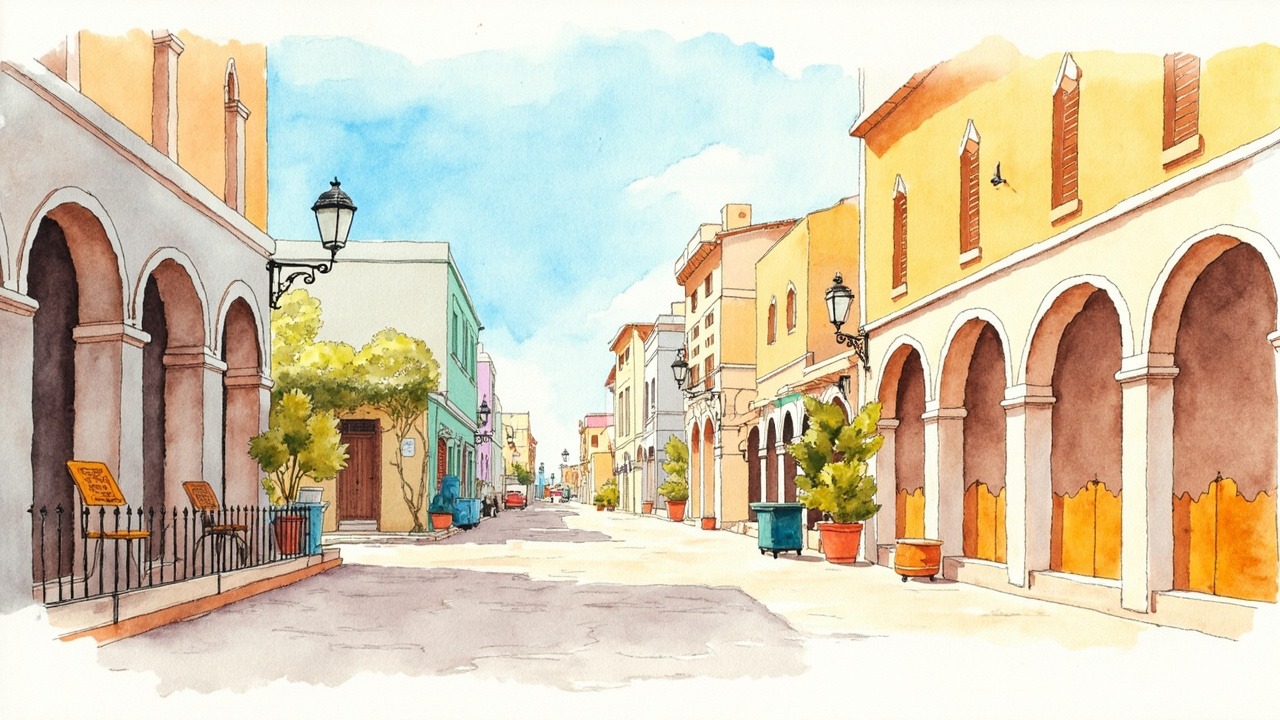
The Pilar de la Horadada City Council has made public the full text of the Municipal Ordinance Regulating Urban Cleaning and Waste Management, definitively approved by the Plenary on September 28, 2026. The regulation is reproduced in the Official Gazette of the Province of Alicante number 209, dated November 3, 2026, in announcement 8257/2026, which corrects a transcription error from edict 8010/2026 published on October 23.
The republication is supported by the fifth section of article 7 of Law 5/2002, of April 4, regulating the official gazettes of the province, and is processed under file 20/2026/GENMA. The edict was signed in Pilar de la Horadada on October 27, 2026, by the mayor-president, José María Pérez Sánchez, and specifies that a contentious-administrative appeal against the definitive approval may be filed before the High Court of Justice of the Valencian Community within two months from the day following publication.
The text repeals the current ordinance and is structured into five titles, 65 articles, one repealing provision, two final provisions, and two annexes. It is based on article 12.5 of Law 7/2022, of April 8, on waste and contaminated soils for a circular economy, and on the PEMAR 2023-2035, approved by the Council of Ministers on June 27, 2023; as a new feature, it incorporates the municipal power to collect non-hazardous commercial waste. It will enter into force after its publication in the BOP and once the period provided for in article 65.2 of Law 7/1985, of April 2, regulating the bases of the local regime, has elapsed.
Deposit schedules and exclusive containers
Residents must put out organic waste and general waste in closed bags within time slots that change according to the season:
- From November to April, from 18:00 to 22:00 hours.
- From May to October, from 20:00 to 22:00 hours.
- In July and August, from 20:00 to 23:00 hours.
Businesses and offices that generate more than 20 kilos of waste daily, as an annual average, will be required to have an exclusive container, which they must acquire, maintain, wash, and replace at their own expense and place on the public road starting from 20:00 hours, with the owner’s name visible on the side. Additionally, businesses producing quantities exceeding one 80-liter bag of plastic packaging or paper-cardboard must hire an authorized manager, and the City Council will maintain a registry of communities, businesses, and industries with their own containers or independent managers.
The text prohibits pouring used oils down drains, throwing pruning waste, rubble, or hazardous waste on public roads, and abandoning waste outside of containers, and maintains the requirement to deposit at the municipal Ecoparque or request home collection for furniture, bulky items, household appliances, and hazardous waste.
Hospitality sector required to hire oil waste managers
Article 17 establishes that bars, restaurants, and other hospitality establishments must manage their own vegetable oils by hiring an authorized manager and may not, under any circumstances, use public street containers. In households, oil shall be collected in closed plastic bottles to be deposited in specific containers or at the Ecoparque.
The Pilar de la Horadada City Council, either directly or through a concessionaire, will sign an agreement with an authorized manager to provide the service, and any occupation or placement of containers by anyone other than that manager will be denied, prohibiting their placement by third parties. Bio-waste from large producers and the hospitality sector will be collected via a door-to-door system.
Fines from 150 euros up to 3.5 million and publication of serious offenses
Annex II details a sanctioning table ranging from 150 euros for depositing waste without a sealed bag or failing to comply with schedules, up to 3.5 million euros in the most serious cases:
- Minor infractions: fine of up to 2,000 euros, with specific amounts of 150, 200, 300, 500, and 750 euros, and a 50% reduction for early payment.
- Serious infractions: from 2,001 to 100,000 euros, with disqualification of less than one year for waste management in the most harmful cases; the remainder shall not exceed 1,500 euros.
- Very serious infractions: from 100,001 to 3,500,000 euros and disqualification from one to ten years.
- Hazardous waste: up to 20,000 euros (minor), from 20,001 to 600,000 (serious), and from 600,001 to 3,500,000 (very serious).
Failure to correctly manage vegetable oils in the hospitality sector is classified as a serious infraction, with a fine of 3,000 euros (1,500 with reduction). Three minor infractions within six months are upgraded to serious, and three serious infractions in the same period are upgraded to very serious. The admission of responsibility and voluntary payment each reduce the fine by 25%, and the Local Government Board may publish final serious and very serious sanctions in the BOP, the municipal notice board and, where applicable, in the DOGV and the BOE.
The text arrives while the municipality is immersed in the tourist season and places waste management and street cleaning at the center of daily life: residents gain a clear time frame, the hospitality sector formally assumes control of its oils, and businesses that generate the most waste are required to provide their own containers and managers. Compliance will be monitored by inspection personnel and the Local Police, with unannounced access to facilities.
Source: Official Gazette of the Province of Alicante, No. 209, November 3, 2026, Section III. Local Administration, page 1 (official reference: 8257/2026).