Boletín Oficial de Canarias · 13 Aug 2026 · 2 vistas
The Observatory of the Historic Ensembles of the Canary Islands is born.
Por FactBox Admin
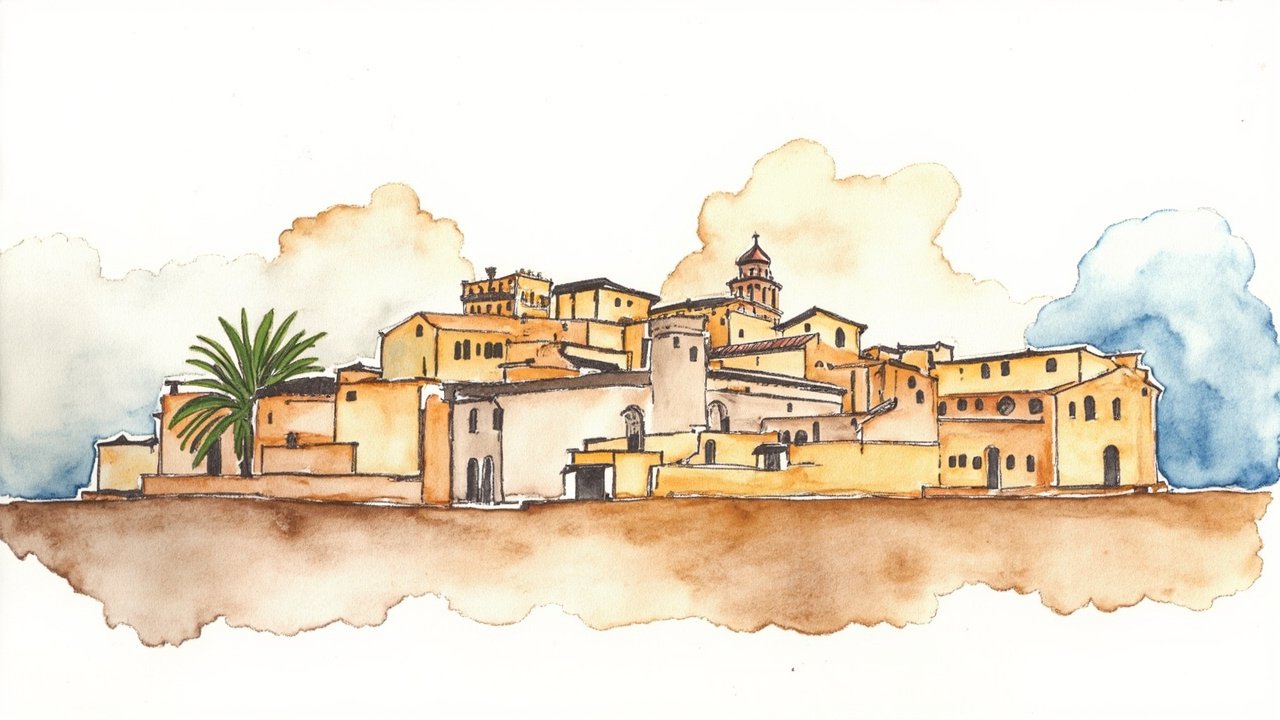
The Government of the Canary Islands has created the Observatory of the Historic Complexes of the Canary Islands, a collegiate body of a technical, advisory and participatory nature aimed at the protection, conservation, rehabilitation and revitalisation of these cultural assets. It is established by Order of 31 July 2026, signed by the Minister for Universities, Science, Innovation and Culture, Migdalia María Machín Tavío, and published in the Official Gazette of the Canary Islands No. 162, of 13 August 2026 (official reference BOC-A-2026-162-2913).
The new regulation reflects the commitments assumed by the Government following the 1st Meeting of Historic Complexes of the Canary Islands, held on 17 and 18 June 2026 in Betancuria (Fuerteventura) and organised by the General Directorate of Culture and Cultural Heritage with the collaboration of the Cabildo Insular de Fuerteventura and the Betancuria City Council. That forum gave rise to the Declaration of Betancuria, a roadmap that called for reconciling the conservation of heritage with the quality of life of residents and the sustainable development of historic complexes.
The order is issued under Article 27.5 of Law 14/1990, of 26 July, on the Legal Regime of the Public Administrations of the Canary Islands, and is framed within Law 11/2019, of 25 April, on Cultural Heritage of the Canary Islands, which defines historic complexes as assets of cultural interest (Article 23.b) and regulates their protection regime in Articles 36 to 38.
An advisory body, without decision-making powers
The Observatory is configured as a permanent space for analysis, institutional cooperation and exchange of information between public administrations, universities, professional bodies and experts. It will not exercise decision-making functions nor issue mandatory or binding reports: its studies, conclusions and recommendations will be of an exclusively technical and non-binding nature.
It is attached to the General Directorate of Culture and Cultural Heritage, which will provide the necessary administrative and technical support, and must be constituted within a maximum period of three months from the entry into force of the order. The Plenary, the highest deliberative and proposal body, will hold at least one ordinary session per year.
Composition of the Plenary
The Plenary will have a multidisciplinary composition with representation from the three Canary Islands administrations, universities, professional associations and experts:
- Presidency, held by the head of the governing body responsible for cultural heritage, and Vice-presidency, exercised by the Head of the Cultural Heritage Area.
- Two seats for public employees specialized in Architecture or Art History.
- One seat for each governing body for spatial planning, housing and tourism promotion.
- One seat for each island council with historical sites declared Assets of Cultural Interest.
- Four municipal seats designated by the Canarian Federation of Municipalities (FECAM) for a three-year period.
- One seat for the City Council of San Cristóbal de La Laguna, the only historical site in the Canary Islands inscribed on the UNESCO World Heritage List.
- One seat for the University of La Laguna, another for the University of Las Palmas de Gran Canaria, one for the Canarian Council of Associations of Architects and three seats for persons of recognized prestige designated by the Presidency.
Studies, indicators and annual report
Its functions include analysing the situation and evolution of historical sites, promoting studies, diagnoses and indicators, formulating recommendations and fostering the exchange of good practices. It will also produce the Annual Report on the State of the Historical Sites of the Canary Islands, which will include the evolution of the main indicators, the actions carried out, the risks detected and the recommendations aimed at improving public policies. Its activity is structured around the Plenary, the Standing Committee, the Presidency, the Vice-presidency, the Secretariat and the working groups, and will be disseminated preferably through the Canary Islands Cultural Heritage Information System.
Without increasing public expenditure
Article 22 of the order specifies that the creation and operation of the Observatory will not entail any increase in budget allocations, staffing or public expenditure, as it will be provided for with the existing resources of the regional administration. Against this regulation, an optional appeal for reconsideration may be lodged within one month or an administrative litigation appeal within two months, counted from the notification.
The launch of the Observatory provides the Canary Islands with a stable coordination mechanism between the regional administration, the island councils and the municipalities involved in the protection of historical sites, which are living and inhabited spaces where heritage value, residential function, economic activity and tourism pressure converge. For residents and visitors, it represents a concrete step towards more coordinated heritage management, with direct effects on urban planning, housing rehabilitation and the tourism model of the archipelago.
Source: Official Gazette of the Canary Islands, No. 162, Thursday, August 13, 2026, Section III (Other Resolutions), pp. 31607-31625 (official reference: BOC-A-2026-162-2913).