Diari Oficial de la Generalitat de Catalunya · 25 Aug 2026 · 9 vistas
Green light for the Agrolerida slurry plant in Alcarràs
Por FactBox Admin
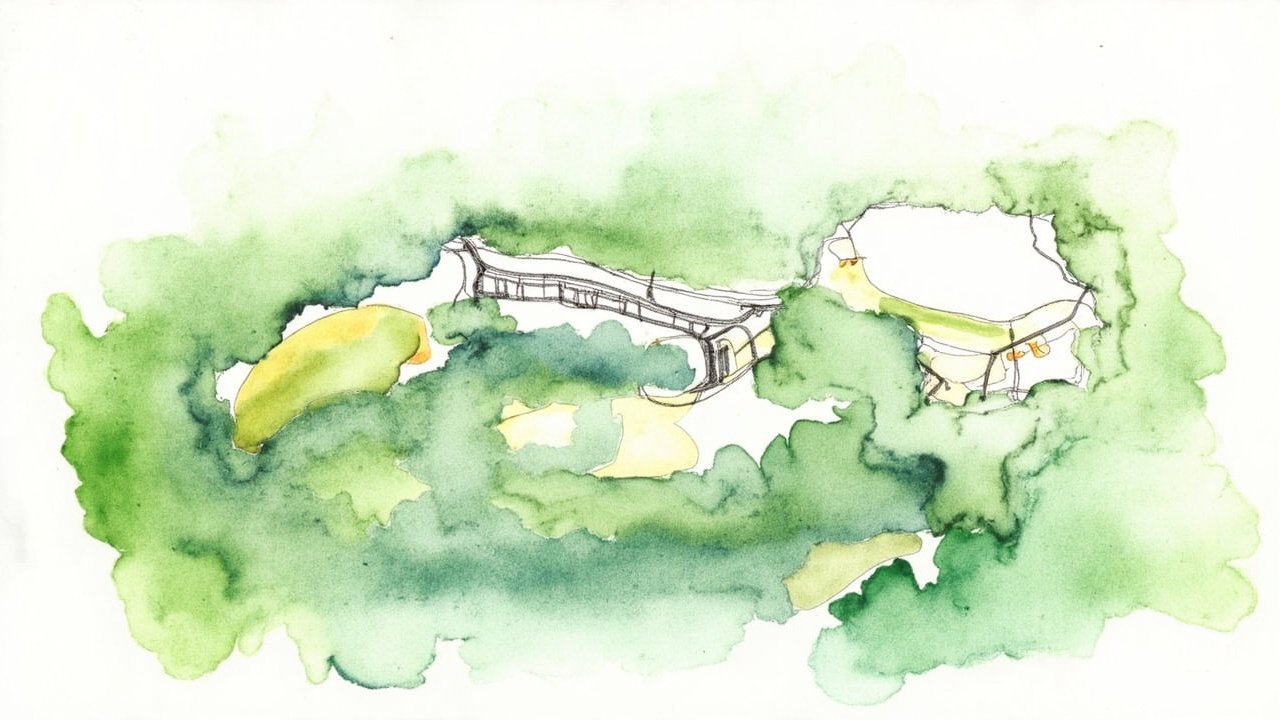
The Catalonia Territory Commission has definitively approved the autonomous special urban plan for the treatment and recovery plant for slurry and other organic by-products that Agrolerida, SL intends to install in polygon 5, plot 66, of the municipality of Alcarràs. The agreement, adopted in the session of March 24, 2026, was made public through the edict of August 17, 2026, published in the Official Gazette of the Generalitat de Catalunya (DOGC) no. 9737, of August 25, 2026, with the official reference CVE-DOGC-A-26230019-2026.
The file, number 2021/074992/L, has been processed by the Territorial Urbanism Commission of Lleida and is developed on non-urbanizable land, as derivative planning that completes the Municipal Urban Planning Plan of Alcarràs. The approval is based on articles 68 and 85.3 of the Recast Text of the Urbanism Law, approved by Legislative Decree 1/2010, of August 3, and the document has passed the mandatory environmental procedure provided for in article 86 bis and the eighteenth transitional provision of this text, modified by Law 3/2012, of February 22.
A plant on non-urbanizable land
The scope of the plan is classified with the key ST (technical and environmental services system), with a small strip linked to the railway system (key PS). The permitted use is that of a technical service for the management of livestock waste and other organic products, and the treatment of wastewater as a primary use is excluded.
- Maximum occupancy and buildability: 3,871 m², in isolated building on the plot.
- Regulating height: 10 m at the eaves, except for the SANDACH treatment warehouse, where 12 m are established.
- Minimum separations: 10 m from the property boundaries and 15 m from the axis of the roads.
- Maximum number of floors: ground floor, with a minimum interior clear height of 2.50 m.
Execution in two phases
The phasing plan provides for a first phase with the basic buildings and installations to start the plant with two digesters, within a period of approximately 2 years from obtaining the municipal license. The remaining installations and buildings will be completed progressively over an estimated period of about 10 years, adjustable according to the evolution of the primary and energy sectors. The development corresponds to a private initiative, and once the approval is published and the environmental authorization is obtained, the municipal license will be requested through the corresponding executive projects.
Environmental and landscape integration measures
The urban regulations incorporate a wide package of corrective measures derived from the strategic environmental study and the landscape impact and integration study:
- Speed limit for vehicles and machinery (20 km/h during construction, 30 km/h during operation) and concentration of earthworks from May to December to avoid disturbing the fauna’s breeding period.
- Odor control with a restrictive emission threshold (C98, 1 hour = 1.5 ouE/m³), with the possibility of floating covers or tarpaulins on the ponds.
- Self-production of renewable energy with photovoltaic panels on the roofs and mitigation of the loss of carbon stock (29.91 tons of CO₂) through the planting of olive trees.
- Prohibition of wastewater discharge into the environment, waterproofing of elements susceptible to contamination, and compliance with nitrate regulations.
Appeals and consultation
Against the agreement, which has the nature of a general administrative provision, a contentious-administrative appeal may be filed before the Contentious-Administrative Chamber of the High Court of Justice of Catalonia within a period of two months from its publication in the DOGC. The file remains deposited at the Urban Planning Registry of Catalonia and can be consulted electronically, as well as in person at the territorial Urban Planning services.
The final approval gives the green light to a livestock waste management infrastructure in one of the regions with the highest livestock density in Catalonia, with a direct impact on the residents of Alcarràs and Segrià, who will see the plant deployed on non-urbanizable land with an execution schedule extending over the next decade.
Fuente: Diari Oficial de la Generalitat de Catalunya, núm. 9737, de 25 d’agost de 2026, secció Disposicions generals (referència oficial: CVE-DOGC-A-26230019-2026).