Diari Oficial de la Generalitat de Catalunya · 30 Jul 2026 · 11 vistas
The Generalitat renews the grants to reduce the overpopulation of wild boars.
Por FactBox Admin
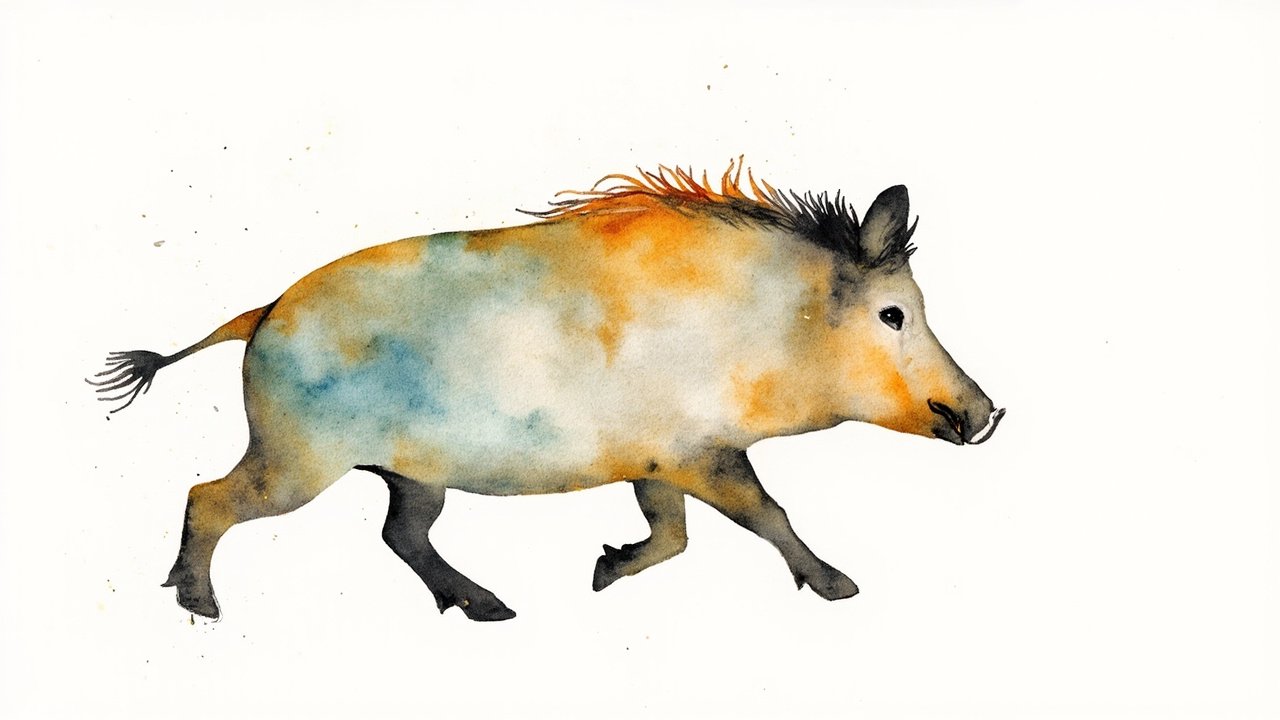
The Department of Agriculture, Livestock, Fisheries and Food (DARPA) has published in the Official Gazette of the Government of Catalonia (DOGC) No. 9719, of 30 July 2026, the Order ARP/142/2026, of 27 July, approving the regulatory bases for subsidies aimed at promoting wild boar captures and the commercialization of their meat. The regulation, signed by the Minister Òscar Ordeig i Molist, aims to reduce the overpopulation of the species and prevent pathologies that may affect livestock species, and has been in force since 31 July.
The new bases replace those of Order ACC/125/2024, of 30 May, published in DOGC No. 9175, which is repealed; subsidies already granted continue to be governed by the previous regulations. The subsidy line, with code ARP0049 of the Strategic Subsidies Plan 2025-2028, is processed under a non-competitive concurrence regime, that is, applications are not compared with each other and will be handled according to the funds available in each call.
Six subsidy lines in two actions
The purpose is to promote wild boar hunting and the operations necessary to introduce its meat into the marketing and consumption circuit. The bases define two actions and six subsidizable lines:
- Line 1.1. Survival of hunting societies and associations: general expenses such as hunting area fees, insurance, dog maintenance, or feed for wild boar traps.
- Line 1.2. Capture of wild boars: specimens intended for commercialization and those captured for African swine fever (ASF) control that cannot be commercialized due to sanitary restrictions.
- Line 2.1. Transport of captured wild boars to a game meat logistics point (PLCC) or a game meat handling establishment (EMCC).
- Line 2.2. Reception and conditioning of wild boars at PLCCs, with collaboration in sampling for the Wildlife Health Surveillance Plan.
- Line 2.3. Management of SANDACH waste generated by PLCCs, for all wild boars hunted in Catalonia regardless of their suitability for commercialization.
- Line 2.4. Investments to set up new PLCCs or improve existing ones: works, cold storage rooms, equipment, and renewable energy generation facilities.
Who can apply for the subsidies
Poden ser beneficiàries les societats i associacions de caçadors sense ànim de lucre —també les que no són titulars de drets cinegètics—, els titulars de terrenys cinegètics en règim especial i les persones titulars o entitats gestores de PLCC. Les entitats han d’estar legalment constituïdes i inscrites al Registre d’entitats esportives o al Registre d’entitats del Departament de Justícia i Qualitat Democràtica, complir el Decret 9/2019 sobre caça silvestre i no haver estat sancionades per infraccions molt greus en matèria de sanitat animal.
No són subvencionables les captures destinades al consum domèstic o a l’autoconsum, ni les actuacions que ja hagin estat objecte de contractes de la Generalitat en el marc de l’Acord GOV/278/2025, de 9 de desembre, de mesures urgents contra la pesta porcina africana declarada a Catalunya.
Tramitació, quanties i terminis
La quantia màxima, l’aplicació pressupostària i els imports per persona beneficiària es fixaran en cada convocatòria, que també determinarà el termini de presentació de les sol·licituds, per via telemàtica a través de Tràmits Gencat o Canal Empresa. Per a les empreses, els ajuts s’emmarquen en el règim de minimis del Reglament (UE) 2023/2831, amb el límit de 300.000 euros acumulats per empresa en tres anys.
Les línies 1.1 i 2.4 es justifiquen amb compte justificatiu i justificants de despesa, mentre que les línies 1.2, 2.1, 2.2 i 2.3 ho fan amb el formulari corresponent. Contra l’Ordre es pot interposar recurs contenciós administratiu davant el Tribunal Superior de Justícia de Catalunya en el termini de dos mesos.
Amb aquesta norma, la Generalitat aposta per la caça tradicional —les societats de caçadors són, segons el mateix text, el sistema de caça del senglar a Catalunya pràcticament en exclusiva— com a eina de gestió de les poblacions i de prevenció sanitària de la ramaderia. La publicació de la convocatòria, que ha de concretar els imports, marcarà el calendari perquè el sector rural i cinegètic pugui començar a beneficiar-se dels ajuts.
Fuente: Diari Oficial de la Generalitat de Catalunya, núm. 9719, 30 de juliol de 2026, Disposicions Generals, pàg. 1-19 (referència oficial: Ordre ARP/142/2026, de 27 de juliol — núm. 26.209.038).
Translation:
Non-profit hunting societies and associations may be beneficiaries —including those that do not hold hunting rights—, holders of hunting grounds under a special regime, and the holders or managing entities of PLCC. The entities must be legally constituted and registered in the Register of Sports Entities or the Register of Entities of the Department of Justice and Democratic Quality, comply with Decree 9/2019 on wild hunting, and not have been sanctioned for very serious infringements in animal health matters.
Captures intended for domestic consumption or self-consumption are not eligible for subsidies, nor are actions that have already been the subject of contracts of the Generalitat within the framework of Agreement GOV/278/2025, of 9 December, on urgent measures against African swine fever declared in Catalonia.
Processing, amounts and deadlines
The maximum amount, the budgetary allocation and the amounts per beneficiary will be set in each call, which will also determine the deadline for submitting applications, electronically through Tràmits Gencat or Canal Empresa. For companies, the aid falls under the de minimis regime of Regulation (EU) 2023/2831, with a limit of EUR 300,000 accumulated per company over three years.
Lines 1.1 and 2.4 are justified with a supporting account and expense receipts, while lines 1.2, 2.1, 2.2 and 2.3 are justified with the corresponding form. A contentious administrative appeal may be lodged against the Order before the High Court of Justice of Catalonia within a period of two months.
With this regulation, the Generalitat opts for traditional hunting —according to the text itself, hunting societies are practically the exclusive system for wild boar hunting in Catalonia— as a tool for population management and sanitary prevention for livestock. The publication of the call, which must specify the amounts, will set the calendar for the rural and hunting sector to begin benefiting from the aid.
Source: Diari Oficial de la Generalitat de Catalunya, No. 9719, 30 July 2026, General Provisions, pp. 1-19 (official reference: Order ARP/142/2026, of 27 July — No. 26.209.038).