Diario Oficial (Colombia) · 07 Sep 2026 · 7 vistas
Guaranteed barrier-free IVE (voluntary interruption of pregnancy) for indigenous women and pregnant people
Por FactBox Admin
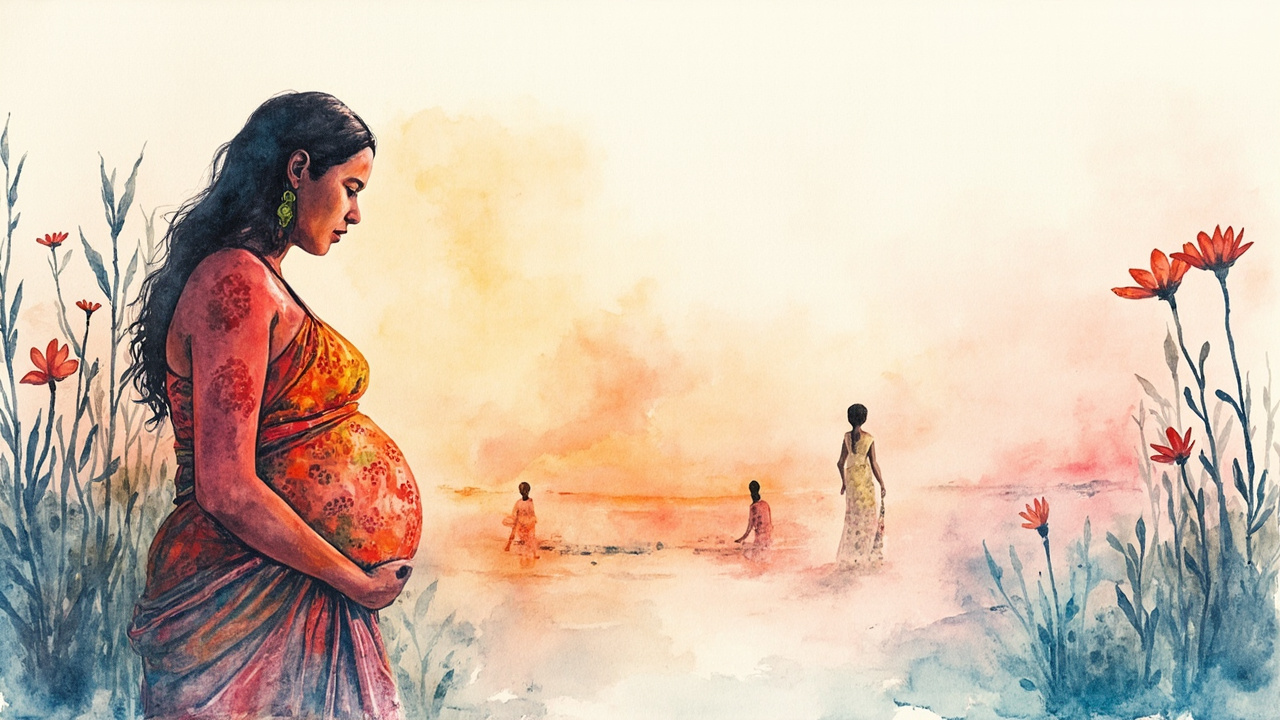
The Ministry of Health and Social Protection published in the Official Gazette Resolution 001575 of 2026 (dated July 29), which adds an article to Resolution 051 of 2023 and modifies numeral 4.2 of the Technical and Operational Guideline of the Maternal Perinatal Comprehensive Health Care Route, adopted through Resolution 3280 of 2018. The regulation guarantees timely, comprehensive, and barrier-free access to the voluntary interruption of pregnancy (IVE) for women and people with the capacity to gestate belonging to indigenous peoples, in compliance with the twelfth order of Unification Sentence 297 of 2025 of the Constitutional Court.
A judicial mandate to remove barriers
The Constitutional Court, in Unification Sentence 297 of 2025, pointed out that the right to IVE has two dimensions: one of liberty, which recognizes the autonomous decision to interrupt pregnancy up to and including the 24th week, and one of provision, which imposes on the State and providers the duty to remove any barrier that hinders the exercise of this right. The high court warned that leaving the final decision in the hands of community authorities ignores state obligations to eradicate violence against women, and that prohibiting IVE for indigenous girls, adolescents, and women constitutes a form of violence.
The resolution is further supported by Sentence C-055 of 2022, SU-096 of 2018, and C-355 of 2006, as well as recommendations from CEDAW, the WHO, and ILO Convention 169 on indigenous peoples.
Obligations for indigenous EPS-I and IPS
The new article 10.1 of Resolution 051 of 2023 imposes specific obligations on indigenous health system entities:
- Guarantee IVE immediately, without administrative, cultural, community, or institutional barriers, with an ethnic approach and respect for worldview and cultural identity.
- Ensure culturally pertinent information and access to an interpreter or translator when the native language is not Spanish.
- Prohibit traditional authorities, community organizations, or administrative bodies from subjecting, conditioning, or delaying access based on collective decisions, community authorizations, or customary practices.
- Guarantee absolute confidentiality of information regarding the request and care for IVE, without disclosure for the purpose of imposing sanctions or reproaches based on customary norms.
- Allow that, in the face of barriers or refusals from EPS-I or IPS-I, pregnant individuals may go directly to any institution in the public or private network, with recognition and compensation of costs borne by the entity responsible for insurance.
Expansion of nursing roles
The regulation also updates section 4.2 of the maternal-perinatal guideline and orders the Ministry to issue, within three months, a technical document with guidelines so that nursing professionals can perform IVE procedures, in accordance with the 2024 WHO guidelines. The expansion of roles seeks to improve access in rural and hard-to-reach territories, where the shortage of medical human talent limits the offer of services.
The DANE reported that between 2022 and 2025, 12,893 births were recorded in girls aged 10 to 14, evidence of serious rights violations that the regulation seeks to address.
Impact for users
The resolution directly affects EPS-I and IPS-I and thousands of indigenous users, by preventing IVE from being subject to community decisions and by guaranteeing direct access to the health network. This is an advance in the protection of the sexual and reproductive rights of a historically excluded population, in line with the Sustainable Development Goals of reducing maternal mortality and territorial inequalities.
Source: Official Gazette (Colombia), edition 53,618, Monday, September 7, 2026, p. 1 (official reference: Resolution 001575 of 2026).