Republic of Singapore Government Gazette · 10 Nov 2026 · 26 vistas
HDB opens Woodlands housing impact study to four weeks of public feedback
Por FactBox Admin
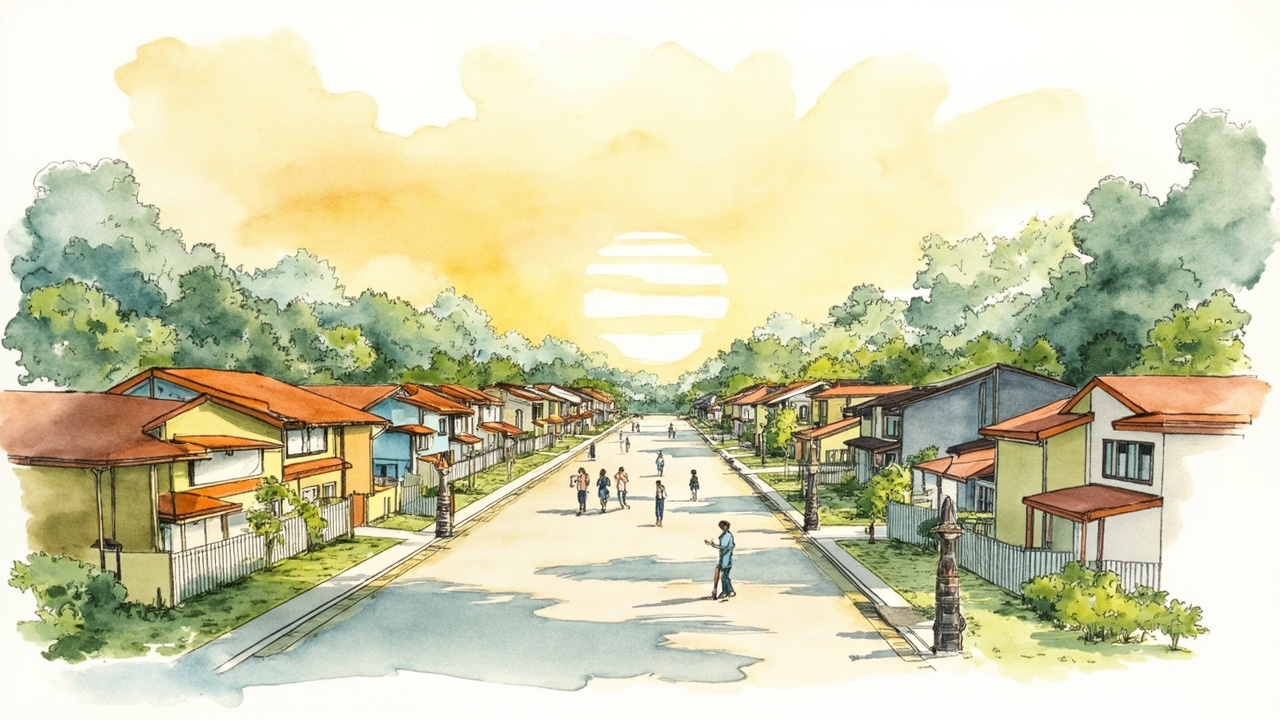
Singapore’s HDB has opened its Environmental Impact Assessment (EIA) for the proposed Woodlands Neighbourhood 2 (N2) housing development at Woodlands Avenue 3 / Bukit Timah Expressway to public feedback for four weeks, from 10 November 2026 at 9:00 a.m. to 7 December 2026 at 6:00 p.m. The notice, carrying the headline “Environmental Impact Study for Woodlands Neighbourhood 2 Housing Development at Woodlands Avenue 3/ Bukit Timah Expressway”, was first published in the Government Gazette on 10 November 2026 at 9 a.m. The consultation gives residents of the north, nature groups and prospective flat buyers their only formal window to respond to the study’s findings before agencies settle on greening and connectivity measures for the site.
A site zoned for housing since 1998
The parcel has been zoned for residential use under URA’s Master Plan since 1998. It remained largely undeveloped, with only plantations and villages at its fringes, until the development of Woodlands Town in the 1970s; Marsiling Park was subsequently established in the north of the site in the 1980s.
According to the notice, agencies are studying the site “to meet housing needs and offer more housing choices in the North given that housing demand in Singapore remains strong”. HDB commissioned the EIA study for the site in 2024.
The study area is wider than the housing parcel itself. It encompasses:
- the proposed development area;
- part of the upcoming Bukit Timah Expressway (BKE) Extension;
- part of the existing Marsiling Park.
No retained area and a moderate-value zone
Based on the EIA findings, no Proposed Retained Area (PRA) is recommended within the proposed development area. An Area of Moderate Ecological Value (AMEV) was identified, but the notice states that it supports a relatively low density of flora of conservation significance, with the native-dominated forests assessed to be in overall moderate condition.
The notice also gives the reasoning for not setting the AMEV aside as a standalone green area: its central location within the development parcel, limited opportunities for ecological connectivity and questions over its long-term viability. In other words, retaining the zone in isolation was judged to offer little ecological return.
Greening and monitoring instead of retention
Agencies will instead study measures to enhance ecological connectivity and integrate greenery into the future development. The measures named in the notice are:
- green buffers;
- naturalistic planting along the development’s edges.
During construction, HDB will be guided by an Environmental Management and Monitoring Plan (EMMP) to minimise environmental impacts.
How to read the report and respond
The full EIA report is available for online viewing at HDB InfoWEB at go.gov.sg/HDB-planning. The consultation period is four weeks, closing on 7 December 2026 at 6:00 p.m., and the public is invited to read the report and provide feedback on its findings.
What it means for the north
The outcome matters on two fronts: it clears the environmental ground for a sizeable new housing parcel in a mature northern town, and it shifts the greening burden from preservation to design, placing green buffers, naturalistic planting and construction-phase monitoring at the centre of what residents will actually get. For nature groups, the loss of any dedicated retained area will be the central point of contention in the four-week window; for flat buyers, the notice signals that the site is moving from study into delivery.
Source: Government Gazette (Republic of Singapore), published 10 November 2026, Section I (Advertisements), notice dated Friday, 13 November 2026 (official reference: 26adv7218).