BOP de Córdoba · 15 Sep 2026 · 2 vistas
Fuente Carreteros approves the management protocol for urban feline colonies
Por FactBox Admin
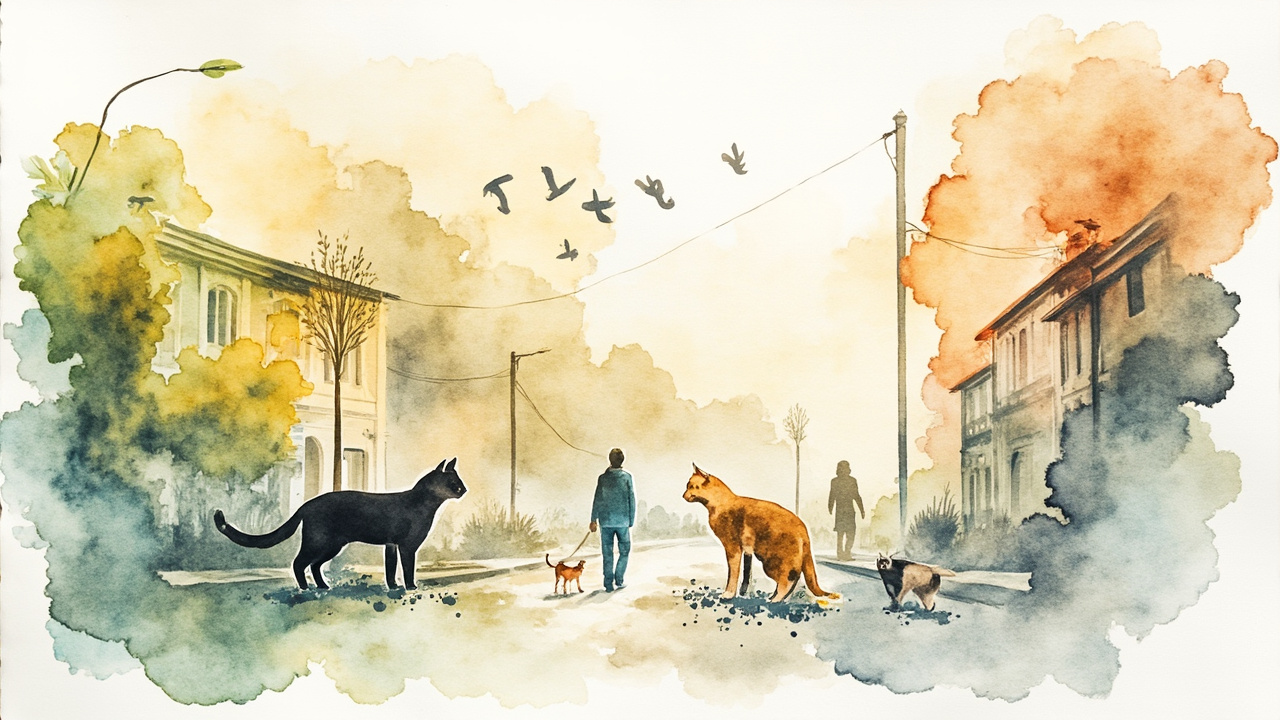
The City Council of Fuente Carreteros has definitively approved the Management Protocol for Urban Cat Colonies via the TNR method (trap, neuter, and release/return), through Mayoral Resolution 2026/00000270, dated August 27, 2026. The agreement, signed by the mayor-president Alberto Ruiz García, is published in the Official Gazette of the Province of Córdoba number 178, dated September 15, 2026, pages 13147 to 13156, with reference BOP-A-2026-3044.
The protocol responds to the need to improve the management of uncontrolled cat populations in the municipality, whose feline colonies are not subject to census control. It relies on the altruistic work of neighbors, groups, and associations, as well as collaborating veterinarians who sign an agreement with the City Council or with the involved groups.
Protocol Objectives
The regulation pursues three main goals:
- Eliminate or minimize the problems associated with the presence of uncontrolled cats.
- Control the size of the colonies, reducing the volume of animals admitted to shelters.
- Encourage the collaboration of the involved groups and disseminate best management practices.
Authorized Collaborators and Veterinarians
Groups, associations, or individuals who commit to the care and attention of the animals will be considered authorized collaborators, following a request with a responsible declaration including first name, last name, and ID (DNI). Two application models are distinguished: Annex I for individuals and Annex II for groups and associations, which must be submitted to the municipal registry.
Each collaborator will be assigned one or several colonies, with duties including trapping, releasing, controlled supply of food (dry kibble), sanitization of feeders and waterers, cleaning of litter boxes, control of the immigration of new specimens, and reporting incidents to the City Council. Animal protection associations may also apply for annual grants from the Provincial Council of Córdoba for the protection of abandoned companion animals.
Registration, Sterilization, and Release
Collaborating veterinarians will perform the prior evaluation of the animal, internal and external parasite control, and surgical sterilization, with a clinic stay of one or two days depending on sex. The specimens will be marked with an ear-tip—right for females and left for males—will be implanted with a microchip in the name of the City Council, and will be vaccinated against rabies, in addition to receiving the treatment against echinococcosis required by Andalusian legislation.
After the intervention, the animals will be returned to the same location where they were captured or to locations agreed upon for their relocation. The census of each colony will be updated quarterly via Annex III, and the veterinarian will issue a file (Annex IV) to the City Council with the health assessment, identification number, and marking location of each animal.
Appeals and validity
Against the agreement, which concludes the administrative process, an optional appeal for reversal may be filed within one month before the Plenary of the City Council, or a contentious-administrative appeal may be filed within two months before the Contentious-Administrative Section of the Court of First Instance, in accordance with Law 39/2015 and Law 29/1998.
The approval places Fuente Carreteros in line with the Andalusian municipalities that apply the TNR/TNR method as a consensus solution to prevent unwanted litters, abandonment, and euthanasia, integrating citizens and protective associations into the responsible management of urban feline colonies.
Source: Official Gazette of the Province of Córdoba, no. 178, September 15, 2026, Local Administration, pp. 13147-13156 (official reference: BOP-A-2026-3044).