Diario Oficial El Peruano · 14 Sep 2026 · 5 vistas
Cotu Eccana: Carhuaz archaeological site is declared cultural heritage
Por FactBox Admin
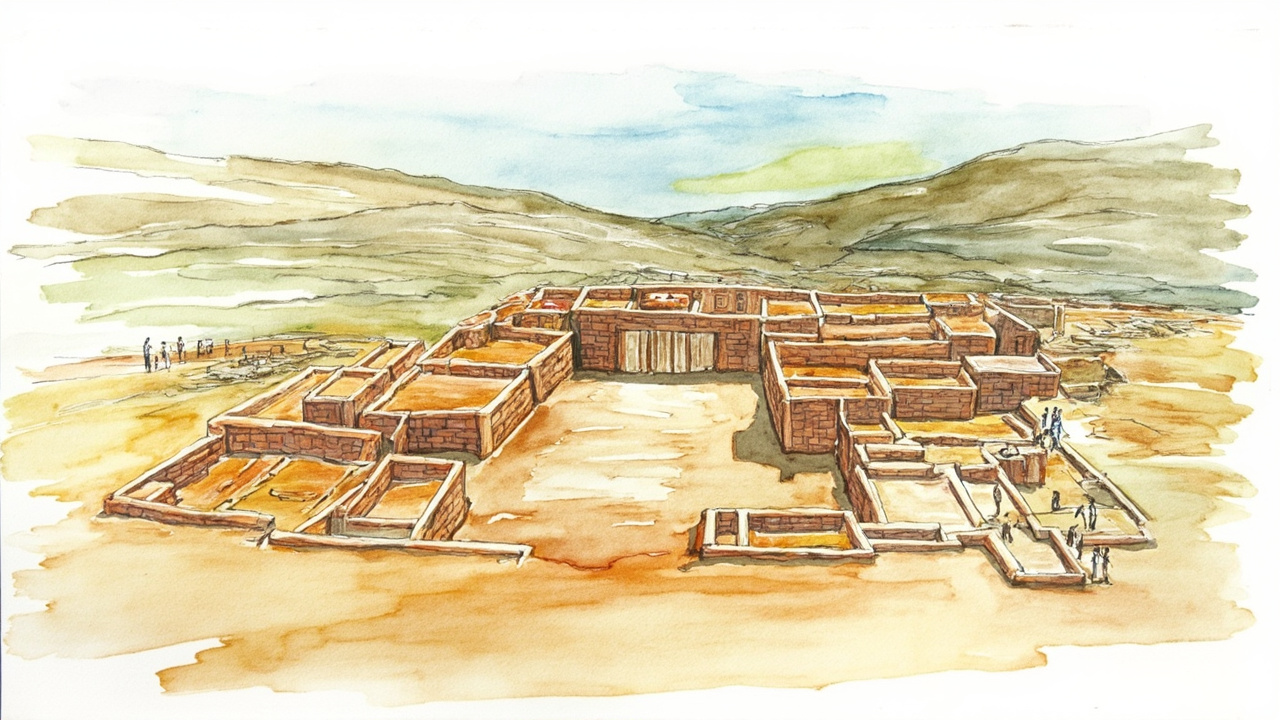
The Ministry of Culture declared the Cotu Eccana Archaeological Site, located in the district and province of Carhuaz, department of Áncash, as Cultural Heritage of the Nation through Viceministerial Resolution No. 000257-2026-VMPCIC/MC, signed in San Borja on September 9, 2026, and published in the Legal Norms supplement of the official newspaper El Peruano on Monday, September 14, 2026. The regulation, signed by the Vice Minister of Cultural Heritage and Cultural Industries, Fernando López Sánchez, declares the asset and approves its technical file for definitive delimitation.
The declaration is based on Law No. 28296, General Law of the Cultural Heritage of the Nation, and Law No. 29565, Law creating the Ministry of Culture, which grant this sector the exclusive function of declaring assets that are part of the cultural heritage. The procedure began with Directorial Resolution No. 000018-2026-DSFL-DGPA-VMPCIC/MC, published in El Peruano on May 22, 2026, and included the technical report from the General Directorate of Immovable Archaeological Heritage and the opinion of the General Office of Legal Advice.
A vestige of the formative period
According to the technical file, Cotu Eccana corresponds to an archaeological site from the formative period, consisting of a building approximately eight meters high, composed of at least two superimposed platforms with rounded corners. The structure is built using stone and mud, with walls crafted using the simple dry-stone technique joined with mud mortar, and it preserves two worked stones that would correspond to the main entrance, as well as decontextualized slabs and scattered ceramics in the surroundings.
The complex constitutes material evidence of the pre-Hispanic occupation of the Santa Valley and preserves architectural and cultural elements that allow for the identification of its archaeological nature and its assignment to the formative period. The prior consultation process did not identify any direct impact on the collective rights of indigenous or native peoples.
Delimitation and technical data
The resolution approves the technical delimitation file of the asset, in accordance with the technical sheet, descriptive memory, and the perimetric plan PP-017-MC_DGPA-DSFL-2023 in datum WGS84, with the following reference data:
- Department: Áncash; province: Carhuaz; district: Carhuaz.
- UTM Coordinates (Zone 18L): East 210625.7780, North 8972083.2601.
- Area: 4,784.56 m² (0.4784 hectares); perimeter: 303.34 m.
Additionally, the Directorate of Cadastre and Physical-Legal Sanitation is tasked with registering the status of Cultural Heritage of the Nation in the Public Registries and in the National Information System of State-Owned Assets (SINABIP).
Protection against works and projects
Article 4 of the regulation provides that any new construction project, roads, highways, canals, mining or agricultural claims, housing works, or others that could affect or alter the archaeological site must have the prior authorization of the competent body of the Ministry of Culture. The measure applies to the owners of the properties overlapping the delimited area:
- Isabet Nelida Asencio Romero, holder of Entry No. 02170593.
- Samuel Emiliano Suárez Silva, holder of Cadastral Unit No. 46991.
- The heirs of Miguel Florencio Castillo López and Carmela Feliciana Pascacio Ibañez, holders of Entry No. 02141401.
The resolution orders that a certified copy of the regulation and its annexes be sent to the aforementioned owners and provides for its publication on the digital headquarters of the Ministry of Culture (www.gob.pe/cultura).
Relevance
The declaration protects a vestige of the formative period in the Santa Valley and conditions any future investment or work in the area upon the prior authorization of the Culture sector, which affects both the owners of the involved properties and the infrastructure, mining, and agricultural projects that intend to be developed within the delimited area. In doing so, the State ensures the preservation of an archaeological testimony of the pre-Hispanic occupation of Áncash.
Source: El Peruano, No. 19518, Monday, September 14, 2026, Legal Norms, pp. 3-5 (official reference: Vice-Ministerial Resolution No. 000257-2026-VMPCIC/MC).