BOP de Ciudad Real · 30 Oct 2026 · 18 vistas
Ciudad Real approves the parking regulations for the new Theater Auditorium
Por FactBox Admin
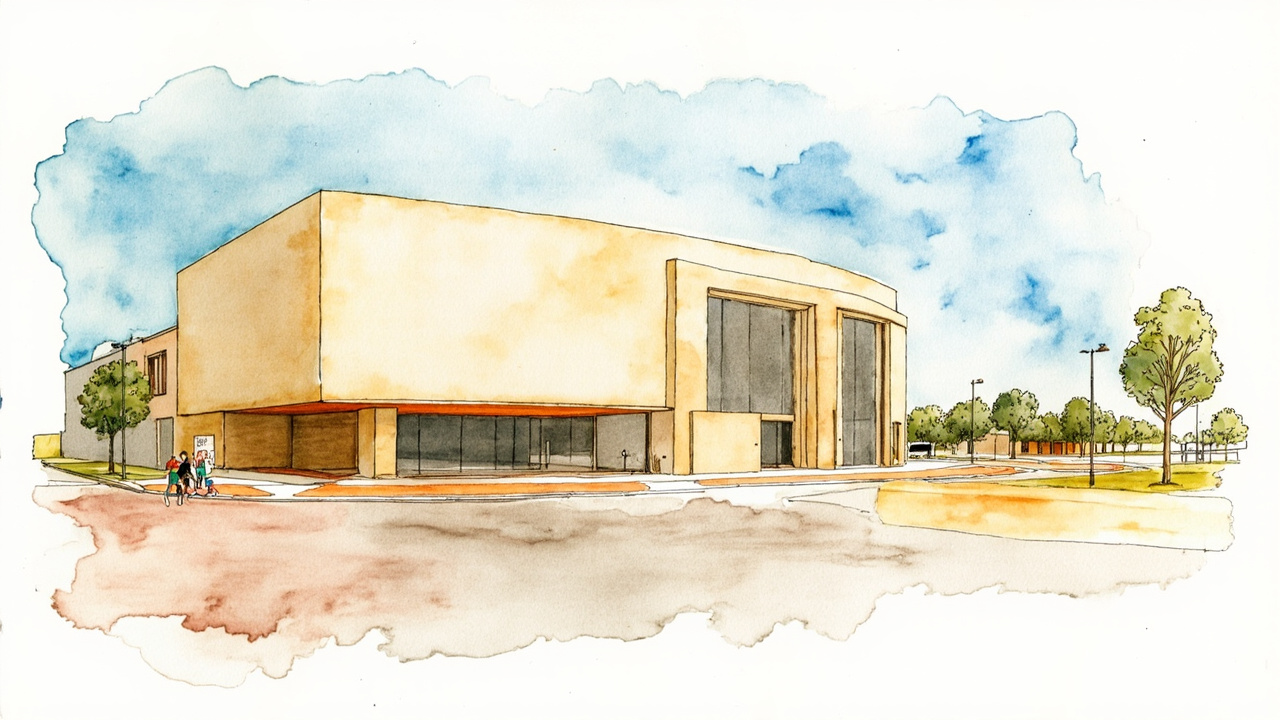
The City Council of Ciudad Real has finalized the Regulatory Regulations for the public parking service of the Nuevo Teatro Auditorio, initially approved by the Plenary in the session of September 9, 2026, and with no allegations presented during the public exhibition period. The full text, consisting of 55 articles, is published in the Official Gazette of the Province (BOP) of Ciudad Real no. 210, dated October 30, 2026, in announcement number 3505. The regulation will enter into force once definitively approved, published in full, and after the period provided for in the local government legislation has elapsed.
The regulation is issued under the protection of Law 7/1985, of April 2, Regulating the Bases of the Local Regime, and establishes the legal regime for the use of a parking facility that the statement of motives describes as “strategic infrastructure for the city,” designed to serve the cultural and administrative activity of the facility as well as the parking demand of its surroundings. The agreement is signed in Ciudad Real on October 28, 2026, by the mayor, Francisco Cañizares Jiménez, and by the general secretary of the Plenary, Joaquín Avilés Morales.
The structure of the text comprises a preliminary title, five development titles, one additional provision, one repealing provision, and two final provisions, in addition to an annex with the facilities plan. Ownership of the service corresponds to the City Council of Ciudad Real, which may provide it through any of the management forms provided for in current legislation, with a contracted company as the material operator.
Five modalities of use and vocation for permanent service
Article 8 details the forms of utilization: rotational parking, periodic passes, parking linked to events organized at the venue, reservations authorized by the City Council for public services or exceptional situations, and any others that may be approved based on the needs of the service.
The schedule, according to Article 9, will be set by the City Council, although generally, the service may be provided twenty-four hours a day, every day of the year, with limitations for maintenance, security, public interest, or the holding of events. Access will be free as long as spaces are available and the vehicle meets the requirements, and may be restricted when maximum capacity is reached.
Among the planned complementary services are spaces with charging for electric vehicles, electronic access systems via license plate recognition, payment via mobile applications, real-time information on space availability, and user support services. Additionally, intelligent management systems may be implemented, always in compliance with data protection regulations.
Traffic rules and preferential attention
The maximum speed indoors is set at ten kilometers per hour, and pedestrians shall have priority in areas designated for their transit. It is prohibited to reserve spaces without authorization, repair vehicles, refuel, deposit waste outside of designated areas, or carry out commercial activities without a municipal permit.
The regulations reserve spaces for persons with reduced mobility, usable only with an accreditation card, and enable charging points for electric vehicles, whose specific conditions, maximum occupancy times, or differentiated rates may be established by resolution of the competent body. Vehicles immobilized by breakdown or abandoned may be moved or removed, with costs borne by the owner where legally applicable.
Rights, claims, and security
The catalog of rights includes using the parking lot under conditions of equality, receiving sufficient information regarding schedules, rates, and modalities, filing complaints and claims, and accessing the enabled payment methods. Obligations encompass complying with signage, following staff instructions, and paying the applicable rates.
Regarding security, the facilities shall have detection, alarm, extinction, and evacuation systems, and may feature video surveillance subject to data protection regulations. The City Council may agree to a total or partial closure for reasons of security, public interest, works, or force majeure, without this generating a right to compensation.
Rates without amounts and judicial appeal
Title V regulates the rates, payment modalities, proof of payment, and price updates, but the published text does not contain specific amounts: it refers to the economic conditions approved by the City Council. It does mandate the display of schedules, current rates, usage modalities, and accepted payment methods at the entrances.
Against the agreement, which ends the administrative route, a contentious-administrative appeal may be filed before the High Court of Justice of Castilla-La Mancha within two months of its publication.
The regulation establishes as a stable norm the operation of a facility intended to absorb the parking demand in the surroundings of the auditorium, and sets for the first time the rules that will affect those who park there: schedules extendable to 24 hours, subscription modalities, speed limits, prohibitions, and claim channels. The absence of amounts in the published text shifts the decision on the actual cost for the user to the economic conditions approved by the City Council.
Source: Official Gazette of the Province of Ciudad Real, no. 210, of October 30, 2026, section CITY COUNCILS (City Council of Ciudad Real), pp. 21-34 (official reference: announcement number 3505).