BOP de Cuenca · 21 Aug 2026 · 8 vistas
Carrascosa de Haro approves the ordinance regulating its rural paths
Por FactBox Admin
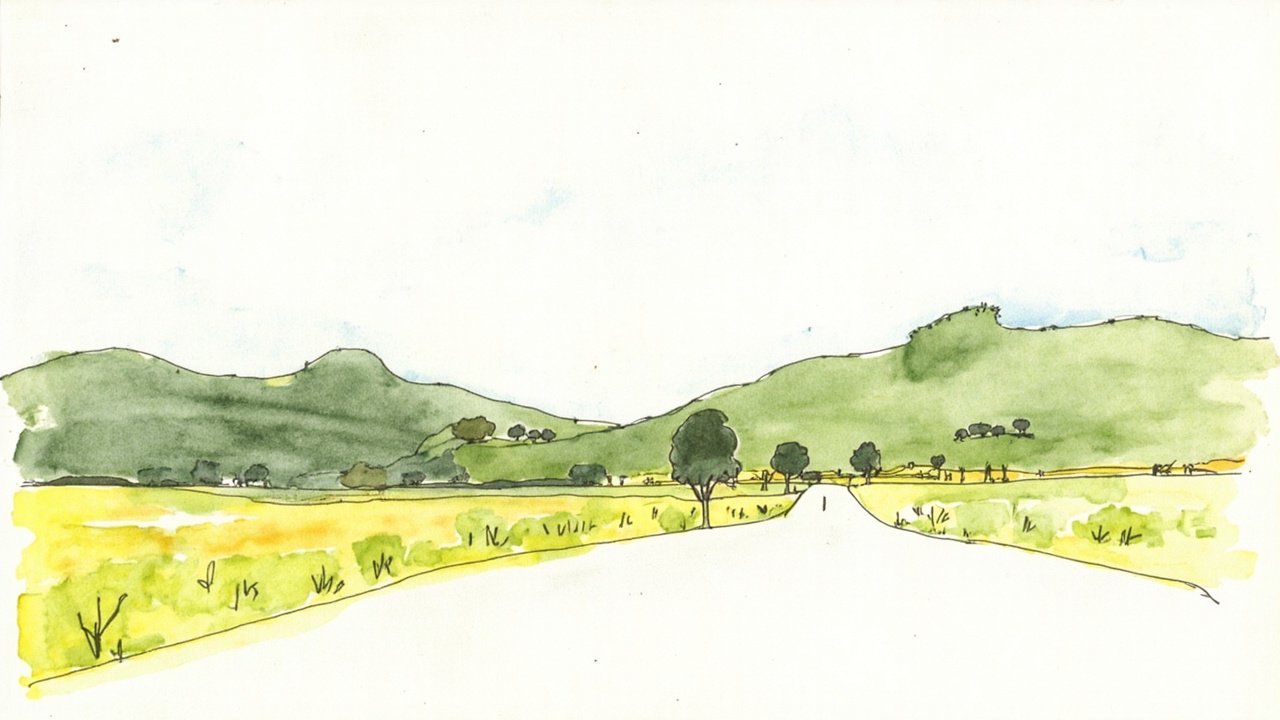
The City Council of Carrascosa de Haro has definitively approved the Municipal Ordinance Regulating Rural Roads, a regulation that governs the use, conservation, and defense of agricultural roads within the municipal district. The agreement, adopted by the Plenary on July 2, 2026, is published in the Official Gazette of the Province of Cuenca, number 96, dated August 21, 2026 (pages 32 to 36, announcement number 2005).
As no claims were filed during the public exhibition period, the initial agreement was automatically elevated to definitive status. The ordinance, signed by Mayor María Carmen Casamayor Villalba on August 19, 2026, is issued in the exercise of the powers attributed by Law 7/1985, of April 2, Regulating the Bases of the Local Regime, and in accordance with the legislation of Castilla-La Mancha regarding rural roads.
Classification and dimensions of the roads
The regulation classifies municipal roads into three categories, with minimum widths that must be respected by both the City Council and adjacent property owners:
- Main roads or first-category roads: total minimum width of 7 meters, with a useful roadway of 5 meters and ditches of 1 meter on each side.
- Secondary roads or second-category roads: total minimum width of 6 meters, useful roadway of 4 meters and ditches of 1 meter on each side.
- Paths, lanes, and traditional roads: minimum width of 4 meters, including the ditch if one exists.
Ditches are defined as the lateral trench intended to collect and evacuate rainwater, and they form an inseparable part of the public road with the same legal protection. The ordinance also establishes planting distances: trees must be located at least 3 meters from the outer edge of the ditch, while vineyards, low olive groves, shrubs, and fencing must respect at least 1 meter.
Sprinkler irrigation and access to estates
One of the most innovative chapters regulates irrigation installations on adjacent plots. Sprinklers, both fixed and mobile, must be placed at a minimum of 1 meter from the outer edge of the ditch and, in pressure irrigation or long-range sprinkler installations, a minimum separation of 5 meters from the axis of the road is recommended.
When there is a risk of water projecting onto the road, sectoral sprinklers, protective screens, or diffusers oriented toward the interior of the plot must be installed. It is prohibited to install sprinklers on slopes or ditches, direct irrigation toward the road, or cause the runoff of soil, mud, or water onto the public road. Private access points to estates must have an appropriate culvert and will require municipal authorization.
Sanctioning regime
The ordinance classifies infractions into three degrees, with fines that can reach 3,000 euros:
- Minor infractions (depositing small amounts of soil, failing to clean access points, or partially obstructing traffic): fine of 100 to 300 euros.
- Serious infractions (plowing within the road or ditch, destroying ditches, reducing the width, dumping rubble, or allowing sprinkler irrigation to wet or deteriorate the road): fine of 301 to 1,500 euros, plus the repair of the damage.
- Very serious infractions (completely cutting off a road, appropriating it through cultivation or fencing, totally destroying ditches or road surfaces, or recidivism): fine of 1,501 to 3,000 euros, with immediate restitution and subsidiary execution at the offender’s expense.
The imposition of sanctions is independent of the obligation to return the road and ditches to their original state. Surveillance shall be the responsibility of the City Council and, where applicable, authority agents and the rural guard, and any resident may report damages or usurpations.
The ordinance will enter into force after its final approval and publication in the provincial bulletin. An administrative appeal may be filed against the agreement before the Administrative Litigation Chamber of the High Court of Justice of Castilla-La Mancha, based in Albacete, within two months of publication.
The regulation directly affects farmers and livestock breeders in the municipality, who must adjust their irrigation facilities, plantations, and access points to the new distances and widths. With this, the council seeks to protect roads essential for local agricultural, livestock, and forestry activity, and to stop practices such as “eating into the road” through plowing or sowing, as detailed in the annex of rural uses and customs of the ordinance.
Source: Official Gazette of the Province of Cuenca, no. 96, August 21, 2026, pp. 32-36 (official reference: announcement no. 2005).