BOE · 07 Aug 2026 · 7 vistas
Mandatory liftable beds in Canarian hotels for chambermaids
Por FactBox Admin
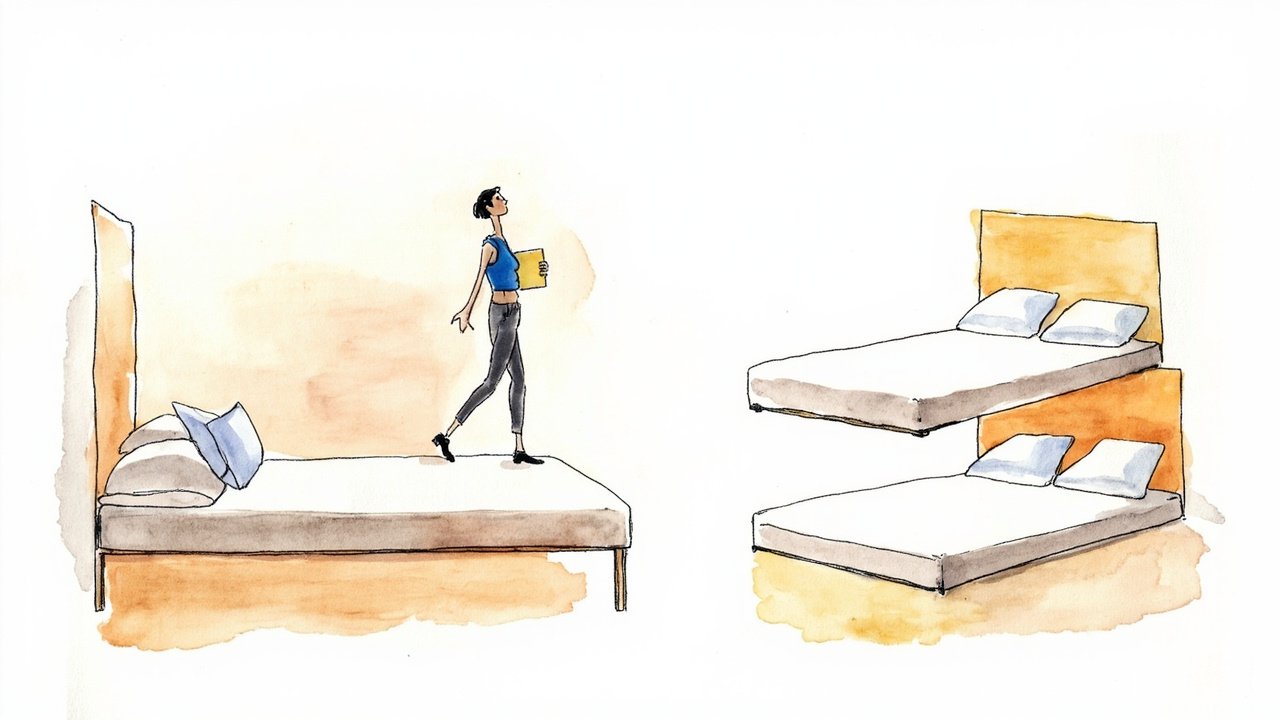
The Official State Gazette publishes this Friday, 7 August, Law 1/2026, of 28 April, by which the Parliament of the Canary Islands modifies the tourism regulation of the archipelago and makes compulsory, progressively and with incentives, the installation of elevating beds and motorised trolleys in accommodation establishments. The regulation, included in Section I of the BOE with the reference BOE-A-2026-17187, aims to protect chambermaids and modernise the accommodation stock of Spain’s main tourist destination.
The law reforms Law 7/1995, of 6 April, on Tourism Regulation of the Canary Islands, in exercise of the exclusive competence in tourism matters that Article 129 of the Statute of Autonomy of the Canary Islands attributes to the community, shared with state legislative development in occupational health matters. The text introduces a new Article 44 which obliges hotels and non-hotel establishments to install beds with a raising base, by mechanical or electronic system, with the exception of extra beds, as well as motorised trolleys for transporting linen and cleaning supplies.
The data justifying the measure are compelling: in 2024, the services sector recorded 18,468 work accidents with sick leave in the Canary Islands, 74% of the regional total, and the hospitality sector accounted for 32% of them. According to the studies cited in the explanatory statement, accident rates due to overexertion fall by up to 34% in accommodation establishments that have already adopted these systems, which reduces sick leave and musculoskeletal injuries in a highly feminised group.
A calendar by categories until 2033
Implementation will be gradual in accordance with the third transitional provision, with the following milestones:
- Four- and five-star hotel establishments: 25% before 31 December 2027, 45% before 2029, 75% before 2031 and 100% before 31 December 2033.
- Other hotels, non-hotel establishments and tourist dwellings: 10% before 2027, 20% before 2029, 35% before 2031 and 100% before 31 December 2033.
For tourist dwellings, the obligation applies to those who market five or more dwellings or twenty or more places on the same plot, and motorised trolleys will only be required when the competent tourism and labour authorities so require. Companies with more than three establishments may apply the percentages to the whole of their beds in the Canary Islands, regardless of the category of each establishment.
Exceptions, waivers and aid
The regulation provides for a regime of exceptions: excluded are accommodation establishments of up to 30 rooms located in buildings declared assets of cultural interest, listed properties or protected historic centres, provided that the beds have accredited historical value, as well as rural houses.
- Establishments with up to 30 rooms without heritage protection may request an exemption from the motorized cart, certified by the prevention delegate or the health and safety committee and validated by the Canary Islands Institute of Occupational Safety.
- The exemption shall have a maximum validity of five years, renewable, and administrative silence after six months shall be considered favourable.
- The Government of the Canary Islands will call for grants to finance the adaptation and will study the feasibility of a more advantageous tax rate for the acquisition of the equipment.
Penalties, monitoring and validity
Failure to comply with the obligation is classified as a very serious infringement (Article 75.20 of the law), and new serious and minor infringements are added relating to the ergonomic and psychosocial conditions of the sector. Establishments must report to the Government of the Canary Islands, as of twelve months after entry into force, the modifications carried out, while the regional administration will draw up studies every five years on the ergonomic and psychosocial conditions of tourism in the Canary Islands.
The law, signed by President Fernando Clavijo Batlle, entered into force on the day following its publication in the Official Gazette of the Canary Islands (Number 90, of 12 May 2026, with correction of errors in Number 124, of 23 June), and its full text is now published in the BOE.
The Canary Islands thus becomes the first autonomous community to impose by law ergonomic equipment on its entire accommodation sector, in an archipelago that receives millions of tourists every year and employs tens of thousands of workers. The measure affects hotels, apartments and holiday homes and marks a turning point in occupational risk prevention in the Spanish tourism sector.
Source: Official State Gazette, No. 192, Friday 7 August 2026, Section I (General Provisions), p. 110484 (official reference: BOE-A-2026-17187).