BOP de Teruel · 17 Aug 2026 · 8 vistas
Villastar definitively approves its feral cat colony management plan
Por FactBox Admin
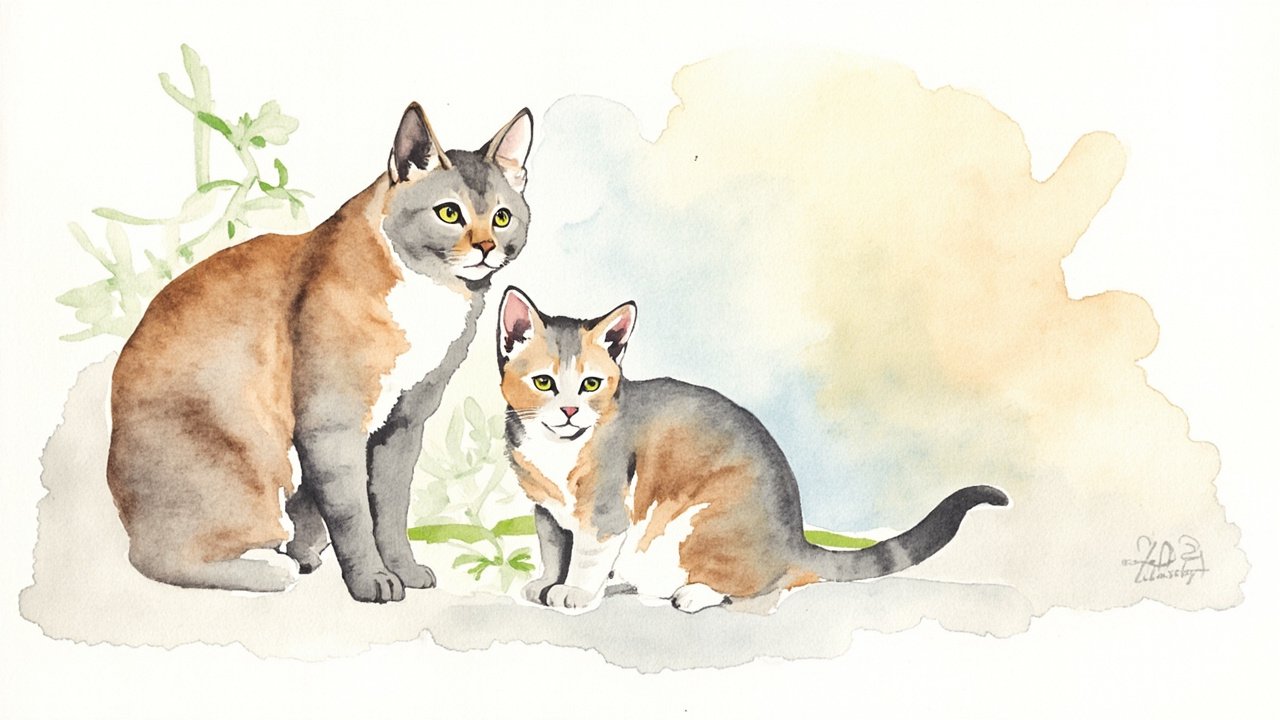
The municipality of Villastar finalizes the definitive approval of its feline program
The Villastar City Council (Teruel) has made public the definitive approval of the Feline Colony Management Program of the locality, as reflected in issue 155 of the Official Bulletin of the Province of Teruel, corresponding to August 17, 2026, with reference No. 2026-2442.
The resolution, published in the Local Administration section, concludes a procedure that began with the initial approval by plenary agreement on May 27, 2026 and was subjected to public information for twenty business days —from June 9 to July 6— without any allegations being submitted.
Background and regulatory framework
The initial approval of the program was published in BOP issue 102, of June 2, 2026, with a correction of errors in BOP issue 106, of June 6, 2026. The procedure was processed in accordance with Article 83 of Law 39/2015, of October 1, on the Common Administrative Procedure of Public Administrations.
The program, of indefinite duration, proposes four lines of action: sterilization through the CER method, prophylactic actions (deworming and vaccination), improvement of the living conditions and feeding of the animals, and training of municipal staff together with public awareness-raising.
Municipal census: six colonies and dozens of cats
The plan is based on a municipal census that identifies six feline colonies in the municipality of Villastar, with the following data on individuals:
- Picarral: 8 cats.
- San Antonio: between 12 and 15 cats.
- Paseo Villastar: 6 cats.
- Ermita: 10 cats.
- Barrio Alto: between 15 and 20 cats.
- Barrio Villel: 6 cats.
The estimated total ranges between 57 and 65 individuals distributed throughout the municipality. The program establishes as its objective the achievement of a sterilization rate of at least 75% of the individuals in each colony to stabilize and progressively reduce the population.
The CER method as the core of the program
The document describes the CER method (Capture-Sterilization-Return) as the only effective strategy for the control of urban colonies, according to recommendations from the World Health Organization (WHO). The plan contemplates a high-intensity CER program, with intervention on more than 50% of the censused cats within a period of less than six months.
After capture, the animals will go through a veterinary clinic for clinical examination, sterilization, and identification through an ear notch as managed free-roaming cats. The FIV/FeLV test will be performed only on cats intended for the adoption program. Participating veterinary clinics will be selected based on proximity and availability.
Network of volunteers and complementary actions
The program relies on a network of volunteer caregivers who will collaborate on health control, surveillance, and maintenance of the colonies. The census collects contact information for seven people interested in caring for the animals: Belén, Lucía, Josefa, Magda, Ángel, José, and Magaly.
Among the complementary actions, the plan provides for periodic deworming, trivalent vaccination (feline herpesvirus, calicivirus, and panleukopenia), installation of feeding and shelter points, regular cleaning and disinfection of the colonies, and the placement of identifying signs. The Villastar City Council will act as an intermediary in neighborhood conflicts and reserves the authority to supervise and modify the management of the colonies.
Resources and impact
Against the resolution, an optional appeal for reconsideration may be filed within one month, or a contentious-administrative appeal before the Contentious-Administrative Section of the Court of First Instance of Teruel within two months, both counted from the day following publication in the BOP.
The approval of this program positions Villastar as one of the municipalities in the province of Teruel that has adopted specific and structured regulations for the ethical management of feline colonies, an area that has traditionally been left out of local regulation in small rural municipalities.
Source: Official Bulletin of the Province of Teruel, No. 155, August 17, 2026, Local Administration section, p. 4 (official reference: No. 2026-2442).