EUR-Lex · 18 Aug 2026 · 12 vistas
Mercedes, BMW Join Forces with SERES and Ionchi in EU-Cleared Merger
Por FactBox Admin
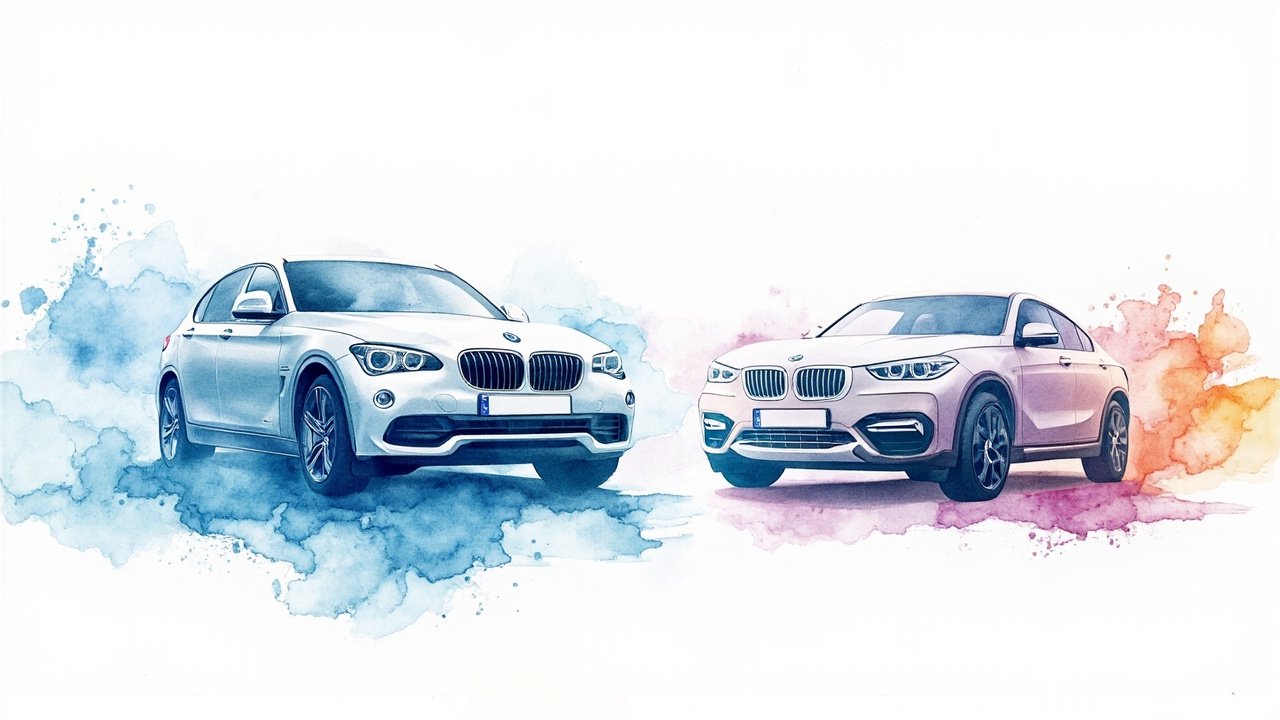
EU Grants Green Light to Strategic Automotive Joint Venture
On August 12, 2026, the European Commission formally decided not to oppose the concentration notified by Mercedes-Benz, BMW, SERES, and Ionchi. The decision, published in the Official Journal of the European Union on August 18, 2026, declares the joint venture (Case M.12510) fully compatible with the internal market. This ruling is based on Article 6(1)(b) of Council Regulation (EC) No 139/2004, the primary legal framework governing merger control within the European Union.
The approval of this four-way partnership represents a landmark agreement that brings together two of Europe’s largest premium automakers with two prominent Chinese technology firms. The official document, referenced as C/2026/4458, confirms that the Commission found no significant impediments to effective competition that would warrant a phase-two investigation or a prohibition of the deal.
A New Era for the European Battery Supply Chain
The formation of this joint venture is specifically aimed at reshaping the European electric vehicle (EV) battery landscape. By pooling resources with SERES and Ionchi, Mercedes-Benz and BMW seek to secure advanced battery cell technology and manufacturing capacity within Europe. This move is a direct response to the increasing competition from Asian manufacturers and the need for a more resilient, localized supply chain for the transition to sustainable mobility.
The partnership is expected to accelerate the deployment of high-performance battery cells, reducing the dependency of European manufacturers on external imports. The collaboration signals a deepening of Sino-European industrial ties, specifically in the high-tech sector of energy storage, which is critical for meeting the EU’s ambitious carbon-neutrality targets.
Regulatory Approval and Market Impact
The decision was issued under the EC Merger Regulation, which requires the Commission to evaluate whether proposed concentrations between large undertakings are compatible with the internal market. In this case, the Commission concluded that the joint venture would not hinder effective competition. The full text of the decision, once cleared of business secrets, will be available via the Competition policy website and the EUR-Lex database under document number 32026M12510.
The strategic implications of this ruling are manifold:
- Supply Security: Provides European carmakers with guaranteed access to cutting-edge battery production.
- Technological Integration: Merges German engineering excellence with Chinese advancements in solid-state and high-density battery cells.
- Economic Resilience: Strengthens the EU’s industrial autonomy in the green transition sector.
- Competitive Landscape: Intensifies pressure on other global battery suppliers to innovate and lower costs.
Context and Future Outlook
This clearance arrives at a pivotal moment for the European automotive industry, which is navigating a complex transition toward electrification while facing intense global competition. The involvement of SERES and Ionchi highlights the role of Chinese investment and technology in Europe’s industrial strategy.
The decision reflects the Commission’s broader approach to balancing the need for open markets with the strategic requirements of European industry. For the automotive sector, this joint venture is not just a corporate merger but a strategic alignment designed to secure a leading position in the next generation of electric mobility. The official publication in the OJ C series marks the beginning of a new chapter in the global race for battery dominance.
Source: Official Journal of the European Union, C series, C/2026/4458, 18.8.2026, p. 1 (official reference: C/2026/4458).