Boletín Oficial de la Comunidad de Madrid · 26 Sep 2026 · 6 vistas
Madrid and the Gregal Foundation promote the Duplo Program in public residences
Por FactBox Admin
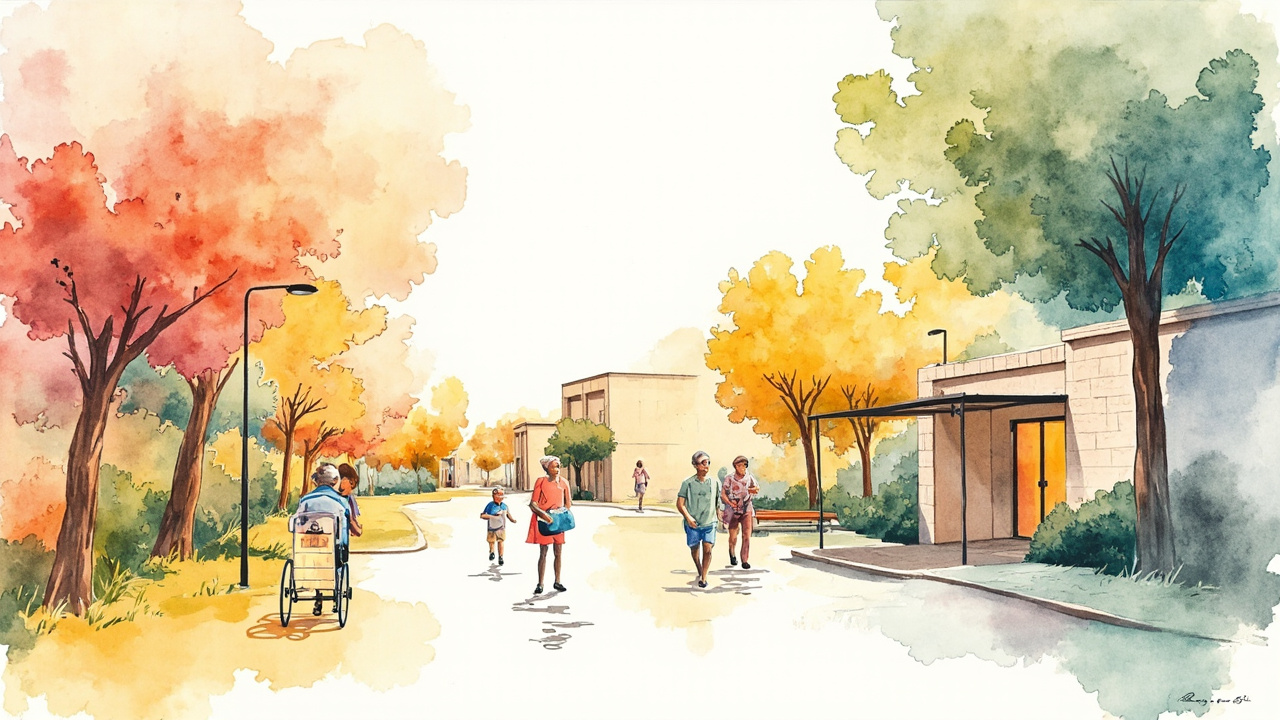
The Community of Madrid and the Gregal Foundation have signed an agreement to develop the “Duplo Program” for intergenerational coexistence in public and subsidized residences in the region. The agreement, signed on September 7, 2026, is published in the Official Gazette of the Community of Madrid (BOCM) no. 230, of September 26, 2026, section I.D) Announcements, page 132, with the reference BOCM-20260926-6. The program brings together elderly people using public residential services with higher education students scholarshiped by the foundation itself.
The agreement is signed by the Minister of Family, Youth, and Social Affairs, Ana Dávila-Ponce de León Municio, appointed by Decree 46/2023, of June 23, and Marta Varela Entrecanales, chairwoman of the Gregal Foundation, designated by the Board of Trustees’ agreement of September 19, 2025. The entity has been executing the Duplo Program since its constitution in 2017, in collaboration with other residences and educational centers, and may continue to implement it with third parties independently of the Community of Madrid.
The framework for the collaboration is Law 12/2022, of December 21, on Social Services of the Community of Madrid; Decree 241/2023, of September 20, on the organic structure of the Ministry, and the first Active Aging and Dependency Prevention Plan 2025/2027.
Objectives and target audience
The agreement establishes four objectives:
- Promote active and healthy aging for elderly people using directly and indirectly managed public residential services.
- Boost their social participation and coexistence, avoiding as much as possible feelings of unwanted loneliness.
- Raise awareness among the youth population about the need to pay special attention to the elderly.
- Favor the personal, educational, and social development of the participating students.
The target audience will be the elderly users of public residential services as determined by their managers and the students benefiting from the study grants awarded by the Foundation in its calls. The participation of the elderly is organized following an invitation from the Ministry and with the approval of the center’s management and the Monitoring Commission.
Intergenerational groups two days a week
The Duplo Program consists of creating and maintaining intergenerational groups with activities involving conversation, exchange of experiences and knowledge, creativity, and physical activity. The model is developed with the advice of geriatricians, psychologists, and experts in various artistic disciplines to stimulate the cognitive, physical, and emotional spheres of the elderly.
The groups will meet on a recurring and continuous basis, generally two days per week for two and a half hours each day, and students will commit to attendance and preparation. Each specific activity will require prior authorization from the center’s management and the Monitoring Commission.
Distribution of Commitments and Gratuitous Nature
The Department undertakes to disseminate the program among public residential centers, encourage the incorporation of residents, provide independent spaces with internet coverage and a locked space for materials, and coordinate technical monitoring. The Foundation will communicate the identity of the students and their tasks, will be solely responsible for the relationship with them, will guarantee a current insurance policy with “In Itinere” accident coverage, and will obtain signed consent from the user or their relatives for participation, impact evaluation, recording, and the transfer of image rights.
Student tasks may under no circumstances include care functions typical of residence staff, such as cleaning, dining room assistance, grooming, or dressing. The agreement is gratuitous in nature and entails no financial obligation for the Community of Madrid.
Validity and Joint Control
The agreement enters into force upon signing and is valid until July 1, 2030, with the possibility of annual extension by express agreement for a maximum of four additional years. Monitoring is the responsibility of a joint commission formed by two representatives from the General Directorate for Care for the Elderly and Dependency and two from the Gregal Foundation, chaired by the head of the General Directorate, which will meet at least twice a year.
Causes for termination include the expiration of the term without extension, mutual agreement, and breach of contract, which requires a prior notice of fifteen business days; termination must be communicated in writing with a minimum notice of ten business days.
The agreement extends a program that the Gregal Foundation has been implementing since 2017 to the public and subsidized network in Madrid, and aligns it with the Active Aging Plan 2025/2027. For affected readers, this means that residents of public and subsidized centers can join intergenerational activities at no cost to the Administration, while scholarship students receive financial support and direct experience alongside the elderly.
Source: Official Gazette of the Community of Madrid, no. 230, of September 26, 2026, section I.D) Announcements, page 132 (official reference: BOCM-20260926-6).
Fuente: Boletín Oficial de la Comunidad de Madrid · Boletín Oficial de la Comunidad de Madrid de 2026-09-26