Western Australian Government Gazette · 06 Nov 2026 · 9 vistas
Kalamunda consolidates rural and urban nuisance rules into single 2026 local law
Por FactBox Admin
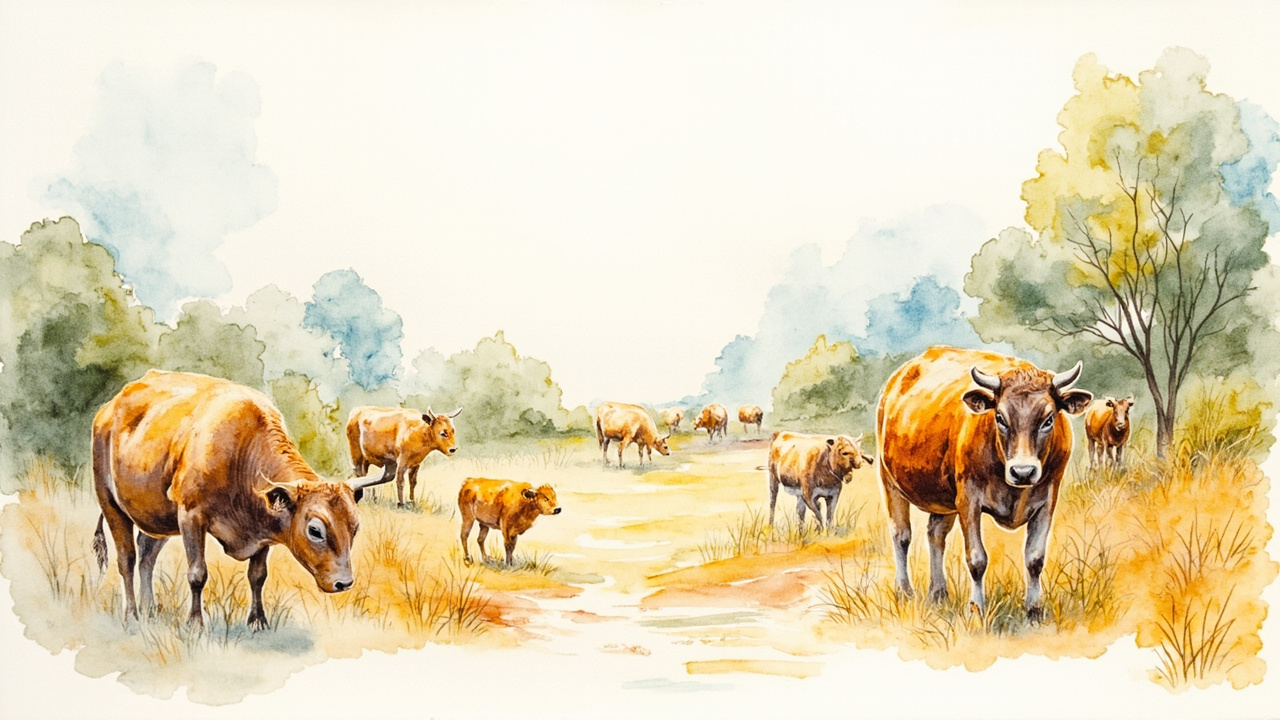
The City of Kalamunda has folded two decades of separate animal and nuisance rules into a single instrument, the City of Kalamunda Rural and Urban Environment and Nuisance Local Law 2026. The council resolved to make the law on 27 October 2026 and it was published in the Government Gazette of Western Australia No. 143 of 6 November 2026, at page 2611. It commences 14 days after publication, on 20 November 2026.
The local law was made under the Local Government Act 1995 and applies throughout the City of Kalamunda district. Its stated purpose is to manage nuisances arising from the rural, urban and built environment, and it binds every person and property owner conducting an activity it governs; where the local law conflicts with the City’s local planning scheme, the planning scheme prevails.
The instrument was executed under the Common Seal of the City of Kalamunda, affixed by council resolution on 3 November 2026 in the presence of Mayor Margaret Thomas JP and Chief Executive Officer Anthony Vuleta.
Two decades of separate laws repealed
Clause 1.3 repeals the Shire of Kalamunda Bee Keeping Local Law 2008, published in Government Gazette No. 164 on 26 September 2008, and the Shire of Kalamunda Keeping and Control of Animals and Nuisance Local Law 2011, published in Government Gazette No. 169 on 5 September 2011.
The Shire of Kalamunda Health Local Law 2011, published in Government Gazette No. 188 on 7 October 2011, is amended by deleting Part 4, Part 5 Divisions 1–4 and clauses 5.23–5.25.
Transitional provisions carry existing permits, licences, consents and authorisations across to the new law, valid for the period specified on the instrument but cancellable under the new regime.
Livestock, poultry and pigeons
Animal keeping is now regulated through a single set of setbacks and caps:
- Farm animals are prohibited outright on land zoned residential.
- Farm animals must be kept at least 18 metres from any dwelling, public building, commercial building or food business; shelters must sit 18 metres from buildings on an adjacent lot, 9 metres from buildings on the same lot, 30 metres from a private bore, well or dam, and 9 metres from a street on corner sites.
- Manure receptacles must be at least 10 metres from a dwelling on an adjacent property.
- In residential zones, no poultry or pigeons are permitted on land under 600 square metres; up to 6 birds are allowed on 600–2,000 square metres and up to 25 birds above 2,000 square metres, with approval available for higher numbers.
- Roosters, geese, turkeys and peafowl are prohibited outside rural zones, and aviary enclosures must be at least 5 metres from any building on other land.
- Pigeon enclosure openings must be at least 9 metres from any street, dwelling, public building or food business, with affiliated keepers bound by the Code of Practice for Pigeon Keeping and Racing in Western Australia, administered by the Department of Primary Industries and Regional Development with the Pigeon Racing Federation WA Inc. and the Independent Racing Pigeon Federation Inc.
Slaughter of farm animals is banned except at approved premises, by a veterinarian, or by an owner or occupier of rural-zoned land preparing meat for their own consumption.
Bees: permits, setbacks and hive caps
Keeping bees on residentially zoned land now requires a valid permit, subject to a short exemption for occupiers keeping bees for no more than 8 weeks to pollinate a crop, and to keeping on Crown land. Native bees are excluded from the regime as fauna under the Biodiversity Conservation Act 2016.
Hives must have a water supply within 5 metres, a screen or barrier against low flight over streets and adjoining land, and must sit at least 9 metres from buildings on other land and footpaths, and 5 metres from the property boundary. Keepers must be registered under the Biosecurity and Agriculture Management (Identification and Movement of Stock and Apiaries) Regulations 2013. Hive numbers are capped at 2 on land under 2,000 square metres and 15 on larger land, with permits available to exceed those limits. The City may issue a written notice to remove bees, nests or hives.
Dust, building sites and penalties
Landowners and occupiers must stabilise dust and contain liquid waste, and must give adjoining owners written notice 48 hours before any activity that could release dust or waste, including the nature, timing and location of the work and a contact for the person responsible. Clean-up notices must be complied with within 48 hours unless another period is specified, and the City can order an activity to cease immediately.
Building, development and demolition sites must maintain covered refuse and recycling receptacles, keep the site and adjacent verge clear, and clear all waste within 2 days of completion. Burning of rubbish is restricted and pool water may not be discharged onto adjoining land, streets or water resources.
Maximum penalties are $10,000 with a daily penalty of $1,000. Schedule 1 lists 60 prescribed offences with modified penalties ranging from $150 to $500 for a first offence and up to $1,000 for a subsequent offence.
For households across the hills, the practical effect is a single rulebook and a single permit pathway replacing three separate instruments. Residents who keep bees, poultry or pigeons will need to check their setbacks, hive and bird numbers and registrations against the new thresholds before 20 November 2026, while neighbours affected by dust, light, smoke or odour from building and rural activity gain a clearer set of standards and enforcement options.
Source: Government Gazette of Western Australia, No. 143, 6 November 2026, Special, p. 2611 (official reference: Government Gazette WA No. 143).