Diari Oficial de la Generalitat de Catalunya · 03 Sep 2026 · 13 vistas
The Government activates aid for companies affected by swine fever
Por FactBox Admin
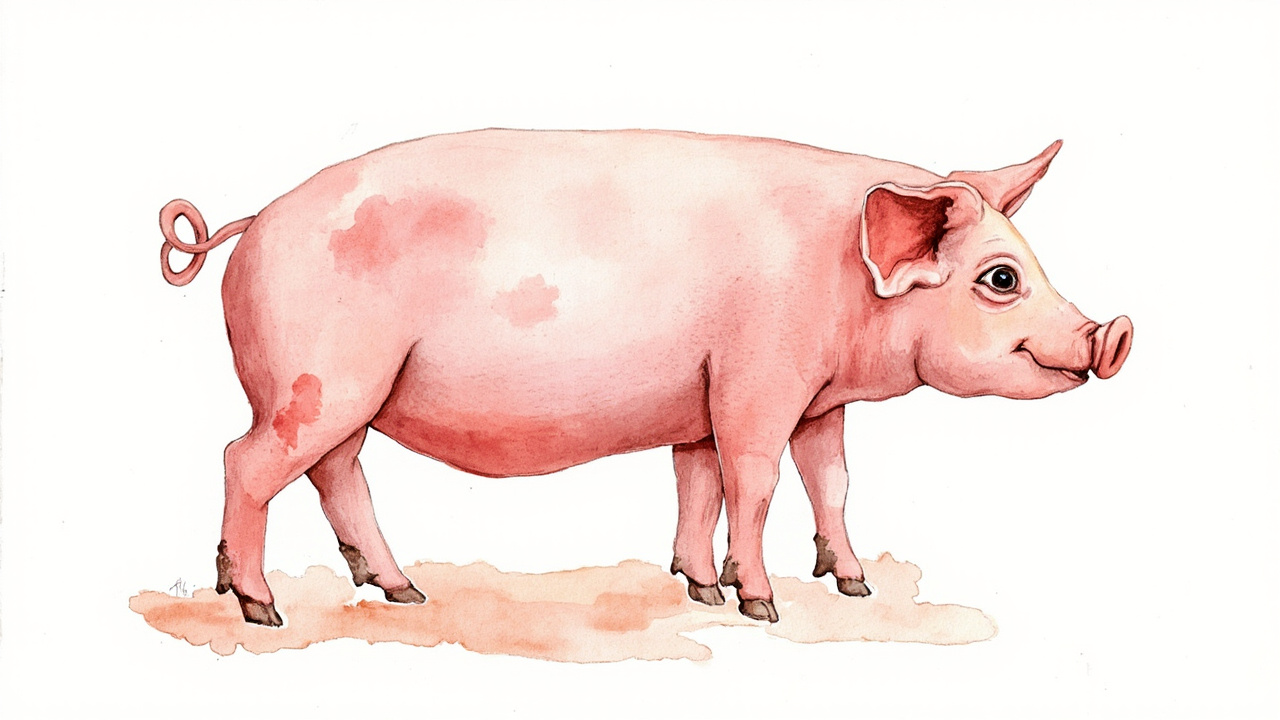
The Government of the Generalitat has approved Agreement GOV/223/2026, dated September 1, which activates a package of urgent economic and financial support measures for companies affected by the restrictions derived from African swine fever in Catalonia. The decision, published in the Official Gazette of the Generalitat de Catalunya (DOGC) no. 9744 on September 3, 2026, was adopted upon the joint proposal of the Minister of Agriculture, Livestock, Fisheries and Food and the Minister of Enterprise and Labor.
African swine fever constitutes a health emergency with significant economic repercussions for the agri-food sector, especially the porcine sector. Since the detection of the disease in Catalonia in November 2025, mobility restrictions and restrictions on access to the natural environment in municipalities classified as high risk have had a very significant impact on sports, leisure, catering, local commerce, and other directly affected sectors.
Support for high-risk zones
The agreement tasks the Catalan Institute of Finance (ICF) with the immediate implementation of a loan line with interest rate subsidies for companies located in areas subject to restrictions on access to the natural environment in high-risk municipalities, in order to address their liquidity needs.
Additionally, a line of non-repayable grants is planned, with a call for applications scheduled for February 2027, aimed at companies in these areas that can prove a decrease in turnover of more than 30% during 2026 compared to 2025.
Slaughterhouses and porcine farms
The meat sector, and especially porcine slaughterhouses, has seen its marketing conditions altered as a result of the regionalization applied by certain international markets, leading to a loss of competitiveness and a reduction in commercial margins. Therefore, the agreement provides for total or partial compensation measures for the administrative and health costs associated with exporting and slaughtering activities, which may include:
- Costs derived from health inspection and control actions carried out by the competent services of the Generalitat de Catalunya.
- Costs associated with the issuance of certificates and supporting documents required by the destination markets of the exports, issued by official veterinary services.
Likewise, the ICF is tasked with a specific financing line with interest subsidies for slaughterhouses affected by regionalization. Regarding porcine farms that suffered serious impacts in the marketing of animals during the first three months of the application of movement restrictions, they are included as beneficiaries of the support measures and are provided with a financing line with an interest rate subsidy.
Deployment and monitoring
The agreement entrusts the competent departments in matters of economy, health, business, and livestock, and the Catalan Institute of Finance, with the adoption of the necessary measures for the deployment, execution, and monitoring of the actions. The document, signed by the Secretary of the Government, Javier Villamayor Caamaño, was published in the DOGC on September 3, 2026.
The measure arrives at a critical moment for the Catalan pig sector, which combines sanitary pressure with a loss of competitiveness in international markets. With this package, the Government seeks to guarantee the liquidity of the affected companies, partially compensate for the losses suffered, and preserve productive activity and employment in one of the strategic sectors of the Catalan economy.
Source: Official Gazette of the Generalitat de Catalunya, no. 9744, September 3, 2026, Other provisions section (official reference: CVE-DOGC-A-26244055-2026).