Diari Oficial de la Generalitat Valenciana · 21 Sep 2026 · 5 vistas
The Consell protects the Algemesí bullring as an intangible asset
Por FactBox Admin
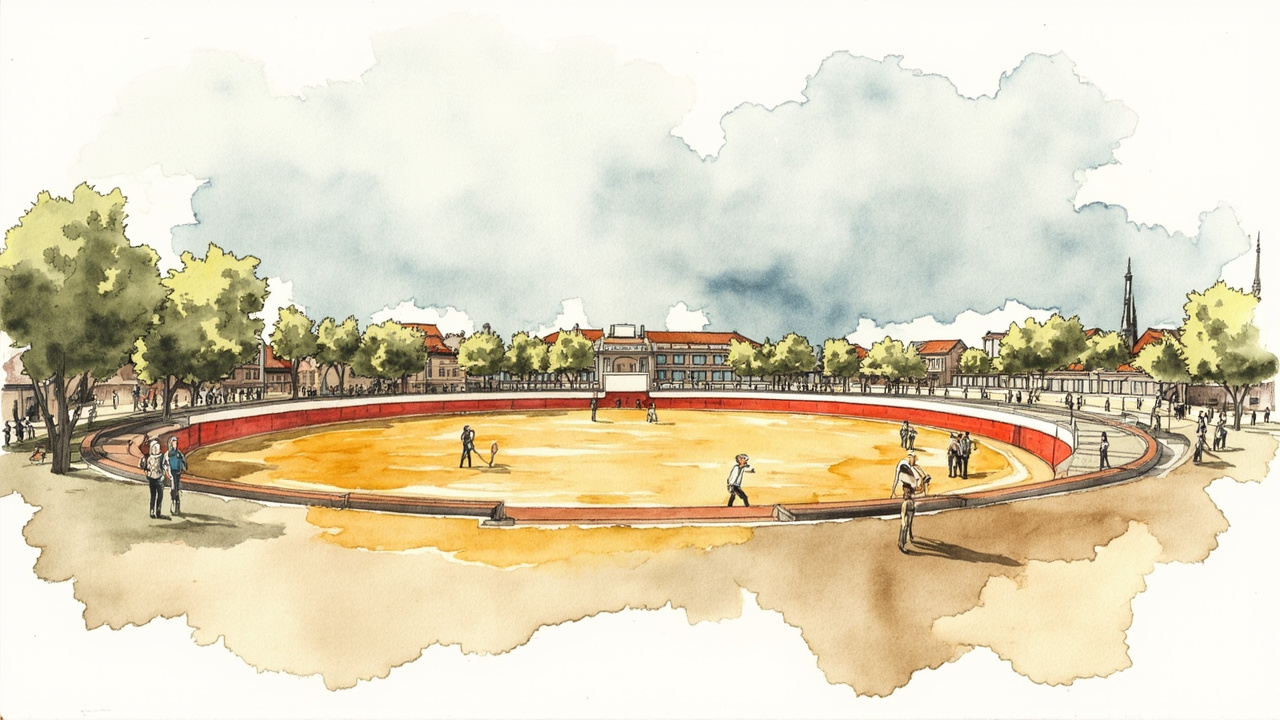
The Consell has declared the construction system of the Algemesí bullring as an asset of cultural interest, under the category of intangible asset, according to Decree 134/2026, of September 18, published in the Diari Oficial de la Generalitat Valenciana (DOGV) no. 10455 on September 21, 2026 (reference DOGV-C-2026-28825). The regulation safeguards the conservation of the venue and subjects any change exceeding the normal development of this cultural manifestation to administrative authorization.
The declaration is based on article 49.1.5 of the Statute of Autonomy of the Comunitat Valenciana and article 26.2 of Law 4/1998, of June 11, on Valencian cultural heritage, which reserves the declaration of assets of cultural interest to the Consell upon the proposal of the department competent in cultural matters. The proceedings were initiated by the Resolution of September 19, 2024, of the Department of Education, Culture, Universities and Employment, and during its processing, a hearing was granted to the Algemesí City Council, and the express favorable reports of the University of Valencia and the Valencian Council of Culture are on record.
The decree bears the signature of the President of the Generalitat, Juan Francisco Pérez Llorca, and the Minister of Education, Culture and Universities, María del Carmen Ortí Ferre, following the deliberation of the Consell on September 18, 2026.
Safeguarding measures and control of interventions
The protection of the construction system as intangible cultural heritage is specified in three obligations:
- To carry out identification, description, research, study, and documentation work using scientific criteria.
- To incorporate available testimonies into material supports that guarantee their protection and preservation.
- To ensure the normal development and survival of the manifestation, and to safeguard the conservation of its traditional values and their transmission to future generations.
Any change exceeding the normal development of the elements of this manifestation must be communicated to the general directorate competent in cultural heritage matters for, if applicable, its administrative authorization and the subsequent modification of the declaration. The management of the asset will correspond to the Algemesí City Council together with all actors involved in the manifestation.
On the architectural level, the assigned regime is one of partial protection according to the catalog standards, and interventions in the plaza must be integrable or removable for the subsequent assembly of the scaffolds in September. The protection environment is the result of adding the bordering public spaces to the block, including the facades, in accordance with article 11.1.a) of Decree 62/2011 of the Consell.
An ephemeral wooden plaza unique in the world
The annex of the decree describes a coso (bullring) that is assembled and disassembled every year in the plaza Mayor de Algemesí (Ribera Alta, province of Valencia), with the following characteristics:
- Quadrangular shape, with sides parallel to the facades of the buildings of the plaza Mayor, designed in its current form in 1943 by the architect Joan Segura de Lago.
- 29 tiers in four sections: from 2 to 4 on the Town Hall side, from 6 to 14 on the Pastora side, from 16 to 20 on the Xarpa side, and from 22 to 29 on the church side; tiers 1, 5, 15, and 21 form the corners.
- Approximate surface area of 1,700 square meters, with about 700 square meters of albero (yellow sand), and a capacity of more than 4,000 seated people.
- Traditional materials: local pine wood, binding ropes, and nails; more than 1,200 struts and more than one hundred cubic meters of wood.
- Assembly in approximately one week, carried out by the cadafalers, which begins after the entry of the Mare de Déu de la Salut into the basilica of San Jaime, in the early hours of September 9.
The fair, the Setmana de Bous, is held at the end of September for nine days and is organized by a bullfighting commission composed of one member from each cadafal, with an annual auction of the 29 sectors. The earliest bullfighting records preserved in the Municipal Archive date back to August 19, 1643.
Publication, registration, and effects
The decree will be published in the DOGV and in the Official State Gazette, and the declaration will be registered in the First Section of the General Inventory of Valencian Cultural Heritage, and communicated to the General Registry of Assets of Cultural Interest of the Ministry of Culture. The application of the regulation may not have an impact on the budgets of the Generalitat and will be handled with its own personal and material resources.
The decree exhausts the administrative route and takes effect from the day following its publication in the DOGV. Interested parties may file a contentious-administrative appeal within two months before the Contentious-Administrative Chamber of the High Court of Justice of the Valencian Community or, optionally, a motion for reconsideration before the same body within one month.
The declaration turns a construction technique passed down from generation to generation into protected heritage and provides legal coverage for the oldest and most important steer-fighting fair in the world. From now on, any work or intervention in the plaza Mayor of Algemesí must be compatible with the annual assembly of the cadafales and have the approval of the regional department of cultural heritage.
Source: Diari Oficial de la Generalitat Valenciana (DOGV), no. 10455, September 21, 2026, section III, page 1 (official reference: DOGV-C-2026-28825).