Diari Oficial de la Generalitat Valenciana · 06 Oct 2026 · 14 vistas
Culture initiates the declaration of the cant valencià d'estil as an intangible asset
Por FactBox Admin
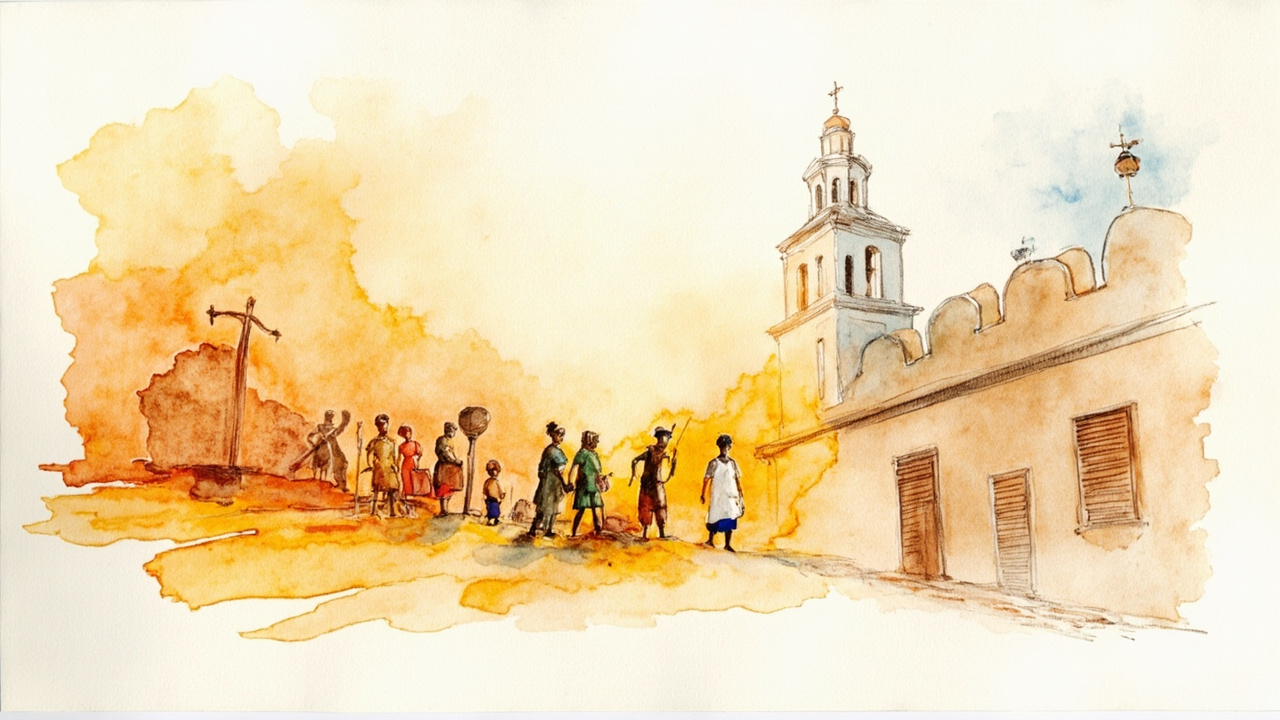
The Department of Education, Culture and Universities has initiated proceedings to declare the «cant valencià d’estil», the most representative vocal manifestation of Valencian musical folklore, as an asset of intangible cultural interest. The decision is formalized in the Resolution of September 30, 2026, signed by the regional minister María del Carmen Ortí Ferre, and is published in the Official Gazette of the Generalitat Valenciana (DOGV) no. 10466, of October 6, 2026 (official reference: DOGV-C-2026-31403).
Legal framework and administrative procedure
The initiation is supported by Article 45 of Law 4/1998, of June 11, on Valencian Cultural Heritage, which mandates the declaration of intangible assets of cultural interest for activities, creations, knowledge, practices, uses, and techniques that constitute the most representative manifestations of the culture and traditional ways of life of the Valencians, with express mention of musical traditions and those that maintain and promote the use of the Valencian language. Article 12 of the Statute of Autonomy of the Comunitat Valenciana attributes the protection of Valencian identity and historical heritage to the Generalitat.
The file includes favorable technical reports from the Cultural Heritage Service and the Technical Commission for the Study and Inventory of Intangible Heritage. The resolution is notified to the interested parties and communicated to the General Registry of Assets of Cultural Interest for preventive annotation, and orders its publication in both the DOGV and the Official State Gazette.
Protection and safeguarding measures
- Identification, description, research, study, and documentation using scientific criteria.
- Incorporation of available testimonies into material formats that guarantee their protection and preservation.
- Tutelage of the normal development of the manifestation, its traditional values, and its transmission to future generations.
- Communication to the general directorate competent in cultural heritage matters regarding any change that exceeds the normal development of the asset.
The management of the asset will correspond to the associations or groups that practice it and to the Folklore Federation of the Comunitat Valenciana, which will decide on the material and immaterial aspects and on the development of the cultural manifestation.
A melismatic song with centuries of history
The cant d’estil is a traditional musical expression characterized by a melismatic, ornamented, and emotive vocal style, with a basic ternary rhythm. It originates from the “songs to the air” used during field work and is usually accompanied by guitars, guitarró, trumpet, clarinet, and trombone, instruments incorporated in the 18th century. The verses are improvised on the spot by the versador and dedicated to the recipient person or entity.
Its origins date back to medieval and Renaissance music, with a consolidated evolution throughout the 19th and 20th centuries. The first written mention of a cantà with a professional cantador dates from 1859, and the first documented cantador is situated in 1873: Carabina, 24 years old, and his companion Maravilla, the first known generation. Among later figures, Evaristo Payá Cabanes, «Evaristet» (Alcoi, 1874-València, 1951), acclaimed as the King of Cant Valencià, and Manuel Marzal Barberá, «Xiquet de Mislata» (Mislata, 1918-Valencia, 1993), a great master of the genre, stand out. Among the youngest performers, Mª José de Castellar and Xavi de Bétera are prominent.
Geographical scope and transmission
The asset has been or is currently active across a wide stretch of the Valencian coast, from the Plana de Castelló to the Marina and l’Horta d’Alacant, including regions such as the Camp de Morvedre, l’Horta de València, the Ribera Alta and Baixa del Xúquer, the Vall d’Albaida, or the Comtat de Cocentaina. Its practice is concentrated in patron saint festivities, fallas, and traditional music events, with a continuous presence throughout the year.
In Catarroja, the only regulated Escuela de Canto Popular d’Estil operates, directed by Javier de Bétera, and there are six non-regulated schools, in addition to the teaching of Lo Rat Penat. Safeguarding falls upon the cantadors and versadors themselves, organized into entities such as the Associació Cultural de Cant d’Estil Valencià, created in 1993, and the Associació d’Estudis del Cant Valencià, from 2008, which promotes the preservation of this intangible musical heritage.
The technical information of the file is signed by Jose Ramón Peinado Montero and Miriam Ortiz Hernández, president and vice president of the Federació de Folklore de la Comunitat Valenciana; Jose Vicente Romero Forundarena, president of the Grup de Danses Azahar; Dr. Francesc Llop i Bayo, emeritus anthropologist of the Generalitat Valenciana, and Dr. Manuel Marzal Àlvaro, president of the Associació d’Estudis del Cant Valencià.
The initiation opens the way to the definitive declaration as an asset of intangible cultural interest and represents the first administrative recognition of a genre that, according to the file itself, had until now lacked institutional protection. For cantadors, versadors, schools, and municipalities of the coastal strip, the file activates documentation and guardianship measures and places the cant valencià d’estil within the same legal framework as other protected manifestations of Valencian cultural heritage.
Source: Diari Oficial de la Generalitat Valenciana, no. 10466, of October 6, 2026, section III, page 1 (official reference: DOGV-C-2026-31403).